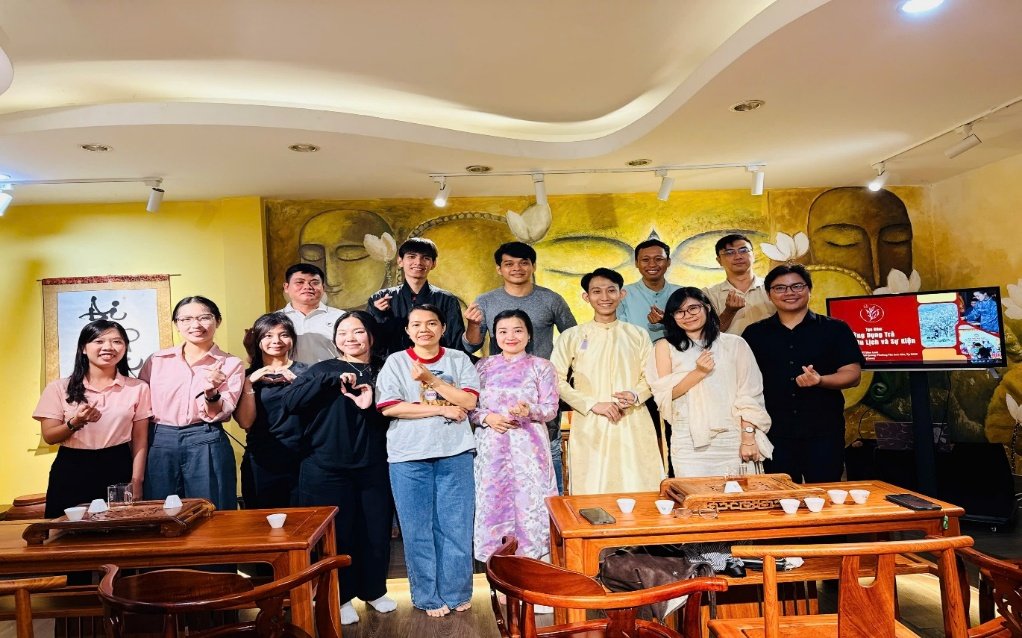
Source: Phạm Thị Mỹ Quyên, September 12, 2026
Tea is far more than a simple refreshing beverage; it is an intangible cultural heritage embodying history, life philosophy, and local identity. From the perspective of a Cultural Management student, tea’s evolution from a purely agricultural commodity into a core asset for tourism and event hosting clearly demonstrates the growth of the cultural industries. This transformation not only generates economic value but also plays a vital role in preserving, practicing, and disseminating traditional heritage to contemporary audiences. Alongside large-scale festivals, modern cultural management is increasingly embracing micro-spaces where authenticity and tranquility take center stage. A prime example of this trend is hosting events in intimate venues like “Đây Là An Viên Trà,” effectively bridging cultural heritage with tourism development.
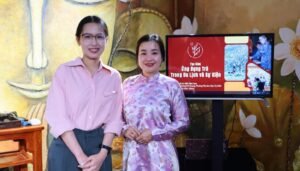
To a cultural practitioner, “Đây Là An Viên Trà” is not merely a commercial tea house, but a private cultural institution. Integrating cultural programming—ranging from hands-on artistic workshops (poetry, calligraphy, floral arrangement, ceramics) and book launches to acoustic music nights—into the venue creates unique synergies. First, it fosters a meditative, connected atmosphere: The architecture and decor at “Đây Là An Viên Trà” emphasize rustic minimalism, using natural, eco-friendly materials such as wood, bamboo, ceramics, and greenery. This serene setting encourages attendees to slow down, speak softly, and listen deeply. Here, a cup of tea acts as a catalyst that breaks down initial barriers, transforming strangers into emotionally connected participants. In modern event management, tea breaks are also being elevated. Especially in high-level diplomatic settings, “tea diplomacy” has emerged as a subtle instrument of soft power. The sight of leaders conferring over tea reflects not only warm hospitality but also subtly showcases the nation’s rich cultural legacy. Rooted in principles of harmony, respect, purity, and tranquility (Hòa – Kính – Thanh – Tịch), tea culture diffuses tension and creates a peaceful atmosphere conducive to macro-level dialogue.
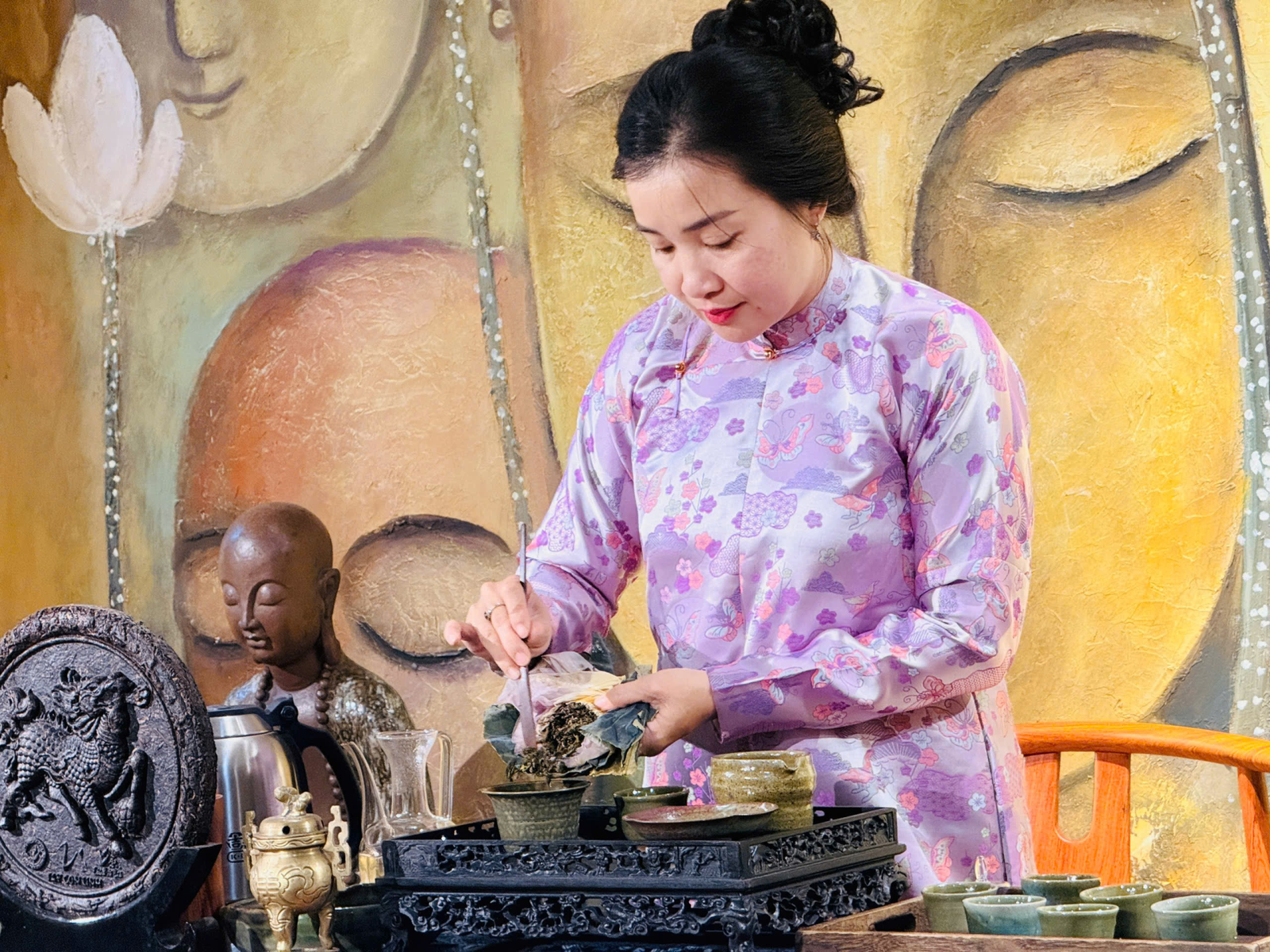
Source: Phạm Thị Mỹ Quyên, September 12, 2026
Although integrating tea into tourism and events shows promising potential, the model faces notable hurdles. At mass events, catering to mass tourism risks diluting traditional rituals into oversimplified or overly theatrical performances. This requires cultural managers to strike a careful balance, and scaling authentic venue models like “Đây Là An Viên Trà” offers a viable solution to anchor and safeguard the core authenticity of Vietnamese tea culture.
Another critical challenge lies in community benefit-sharing: Sustainable tea hill tourism must secure long-term livelihoods for local communities, empowering them as co-owners of cultural assets. Furthermore, Vietnamese tea demands systematic and cohesive communication strategies. The wild character of Shan Tuyết tea and the delicate refinement of lotus-infused tea must be clearly articulated to forge a distinct global brand identity. Elevating tea from daily life onto event stages, transforming tea plantations into tourist destinations, and curating tranquil venues like “Đây Là An Viên Trà” as cultural meeting points is far more than an economic endeavor. It represents a continuous negotiation between preserving core cultural identity and accommodating contemporary tastes. Cultural management students must view tea plants and tea spaces not merely as commercial services, but as cultural ambassadors that require delicate handling, deep respect, and strategic vision to bridge cultural heritage with tourism development.
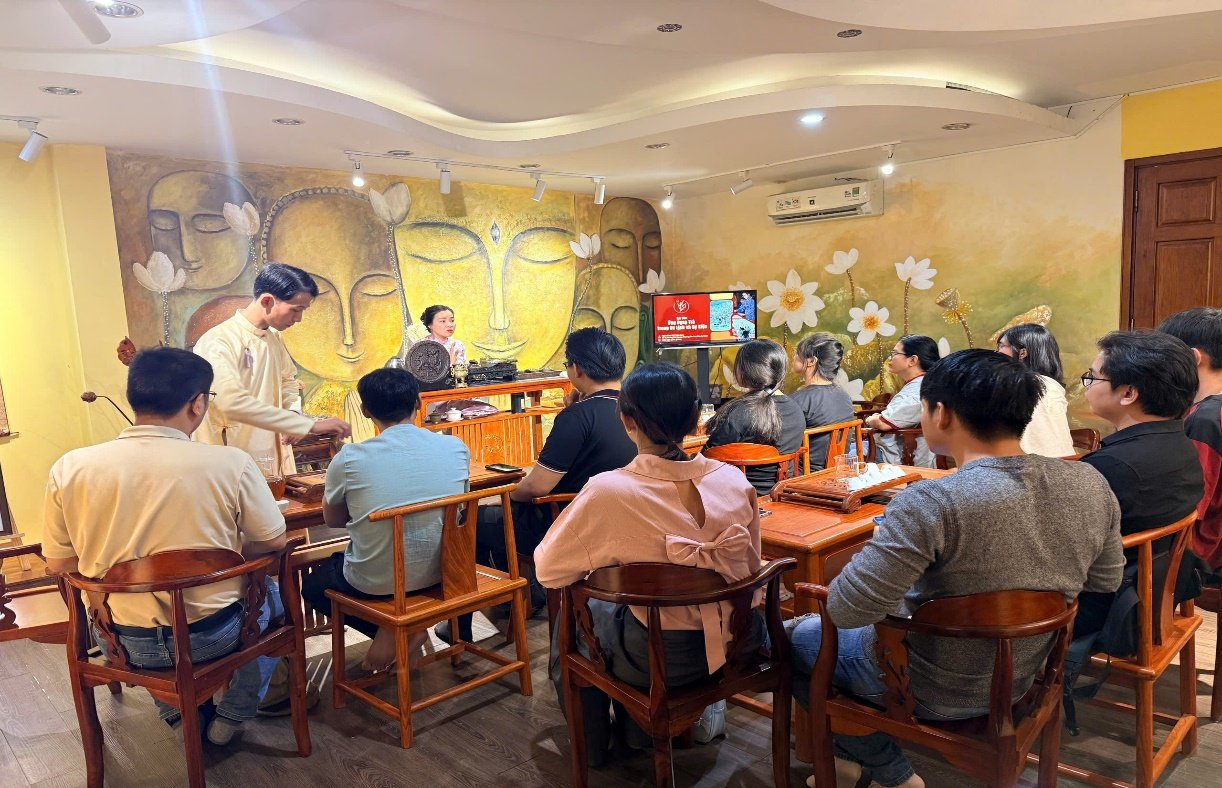
Figure 3: The Tea Ceremony cultural space at “Đây Là An Viên Trà”
Source: Phạm Thị Mỹ Quyên, September 12, 2026
Yến Oanh, 18-1, Heritage Tree Research Group