Photo: Student group, 2026
During the course of studying the module Developing Community Cultural Life taught by Dr. Pham Van Luan guided, I had the opportunity to conduct a field survey with the group in Long Hoa ward, Tay Ninh province. The survey was conducted to learn about the potato starch profession in Long Hoa, from the production process, the people involved in the profession to the cultural values and role of the profession in community life. Through field surveys, we had the opportunity to observe, talk with workers and directly experience some production stages.
“Some traditional crafts are preserved not through grand gestures, but by the quiet dedication of artisans who show up to work every single day.”
Before our field trip, the traditional sweet potato starch noodle craft in Long Hoa Ward was largely unfamiliar to me. While I knew of these colorful starch noodles as a common ingredient in traditional Vietnamese dessert soups (chè), I knew little about how they were made, who kept the craft alive, or why this heritage art managed to endure over time. Joining the research team on this survey, I felt both curious and eager to witness the production process firsthand and hear the personal stories of those who have devoted their lives to it. The journey helped me realize that behind these humble, vibrant noodles lie rich stories of traditional wisdom, family livelihoods, and cultural continuity.
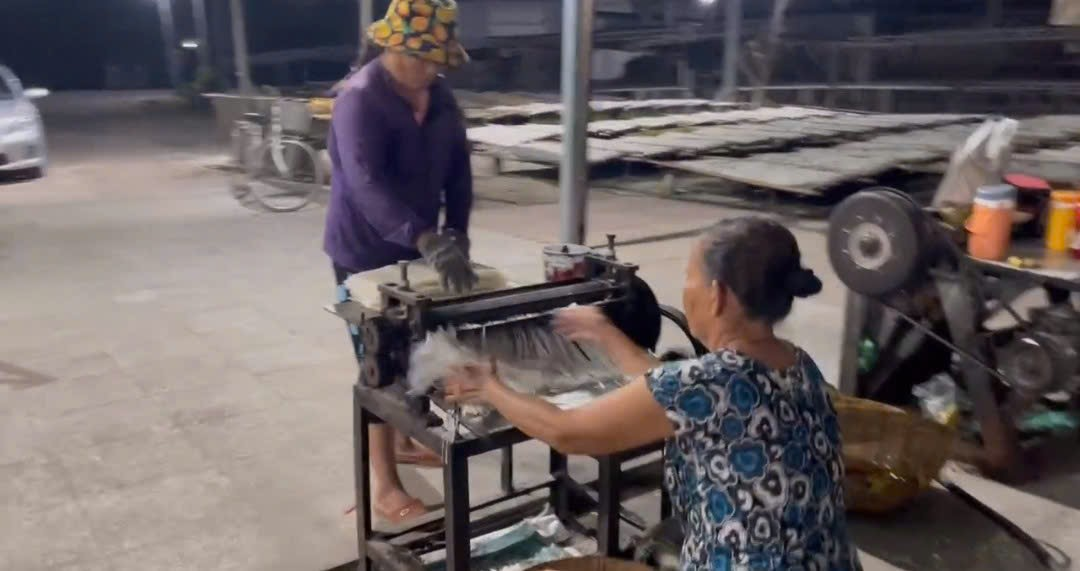
On September 29, 2026, I had the opportunity to directly visit the production site, observe each stage of crafting the starch noodles, and speak with artisans who have dedicated decades to the trade. What struck me most was the early start — the workday begins around 1:30 a.m. as workers prepare and comb the starch sheets so they are ready for sun-drying at dawn. Artisans with some 30 years of experience still tirelessly carry out these familiar routines.[1] From these observations, I realized that behind these delicate, colorful noodles lies far more than a manufacturing process; it is a story of economic survival, accumulated wisdom, and the preservation of traditional heritage.
Through close observation, I realized that modern cassava noodle making has evolved from its historical roots. Machinery has been introduced to several stages of the process, lightening the manual burden on artisans and shortening production times. However, many critical steps still demand the dexterous hands and deep expertise of seasoned craftspeople. In particular, gauging the dryness and elasticity of the starch dough remains heavily dependent on human experience, especially during the rainy season. During months of heavy downpours, these veteran noodle makers often remain at their workshops around the clock to finish a batch. Fortunately, the recent addition of mechanical dryers has relieved much of the grueling hardship they previously endured.[2]
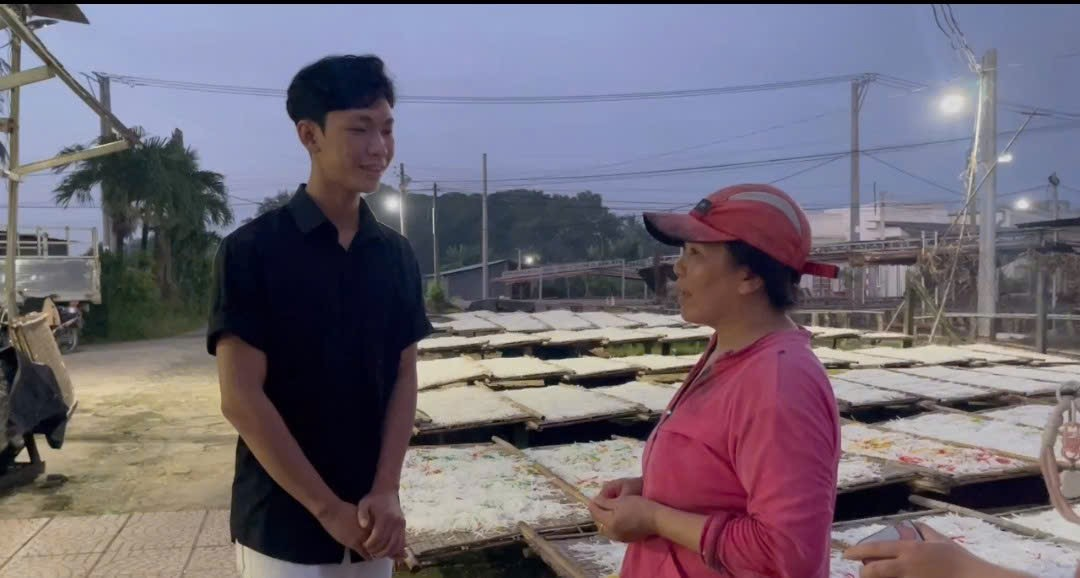
Photo: Student group, 2026
From what I witnessed and heard, the introduction of modern machinery has not diminished the traditional heritage of this craft; rather, it has empowered artisans to adapt to the demands of modern life. Time-honored techniques are carefully preserved, while mechanical assistance streamlines labor and makes the work significantly less arduous.
Source: Self-portrait taken by group of students, 2026
Cassava starch noodles are far more than just a staple ingredient in Vietnamese cuisine; they are inextricably linked to the livelihoods of the local community. My field research reveals that the craft provides steady employment for numerous workers across local production workshops, offering them a reliable and resilient source of income.
Once finished, the translucent noodles are packaged into heavy sacks for distribution to markets far and wide. They serve as an essential ingredient in iconic Vietnamese dishes, from sweet dessert soups (chè) to savory tapioca noodle soups (bánh canh) and a variety of regional pastries. This sustained consumer demand provides the vital economic foundation that enables the traditional craft to endure.
Ultimately, this experience made me realize that safeguarding a heritage craft requires more than merely honoring its cultural identity. To truly survive, a traditional trade must generate sustainable livelihoods, ensuring that the artisans who champion it can afford to remain devoted to their calling.
During the field survey, I learned that very few young people are choosing to carry on the traditional tapioca noodle-making craft today. The work requires starting in the pre-dawn hours, demands long labor-intensive hours, and remains heavily dependent on unpredictable weather patterns — a sobering reality that weighed heavily on my mind.
If the craft remains solely in the hands of the older generation, passing down decades of practical knowledge to posterity becomes a pressing concern. Preserving a heritage craft requires more than just skilled artisans; it demands a new generation that truly understands the history, spirit, and cultural value woven into every step of the process.
I believe young people can help preserve this traditional craft through diverse channels — they do not necessarily need to work at the production stoves. The younger generation can lend their skills by marketing the products, capturing photos and videos, sharing the artisans’ stories, and helping bring these handmade goods to a broader consumer market. Organizing field trips for students and Youth Union members to visit local workshops also offers youth firsthand exposure to their cultural heritage.
Before this visit, my experience with tapioca noodles was limited to enjoying them in sweet dessert soups (*chè*). But witnessing the intricate production process firsthand revealed how a familiar ingredient can embody profound cultural heritage. These vibrant, multicolored tapioca strands are not merely a staple of local cuisine; the craft itself has sustained generations and remains deeply woven into the daily life and cultural identity of Tây Ninh residents.
To me, the true value of this heritage craft extends far beyond the finished product. It lies in the time-honored techniques passed down through generations, the dedication of lifelong artisans, and the unbroken continuity between past and present. These seemingly modest, everyday elements collectively forge the unique cultural identity of the region.
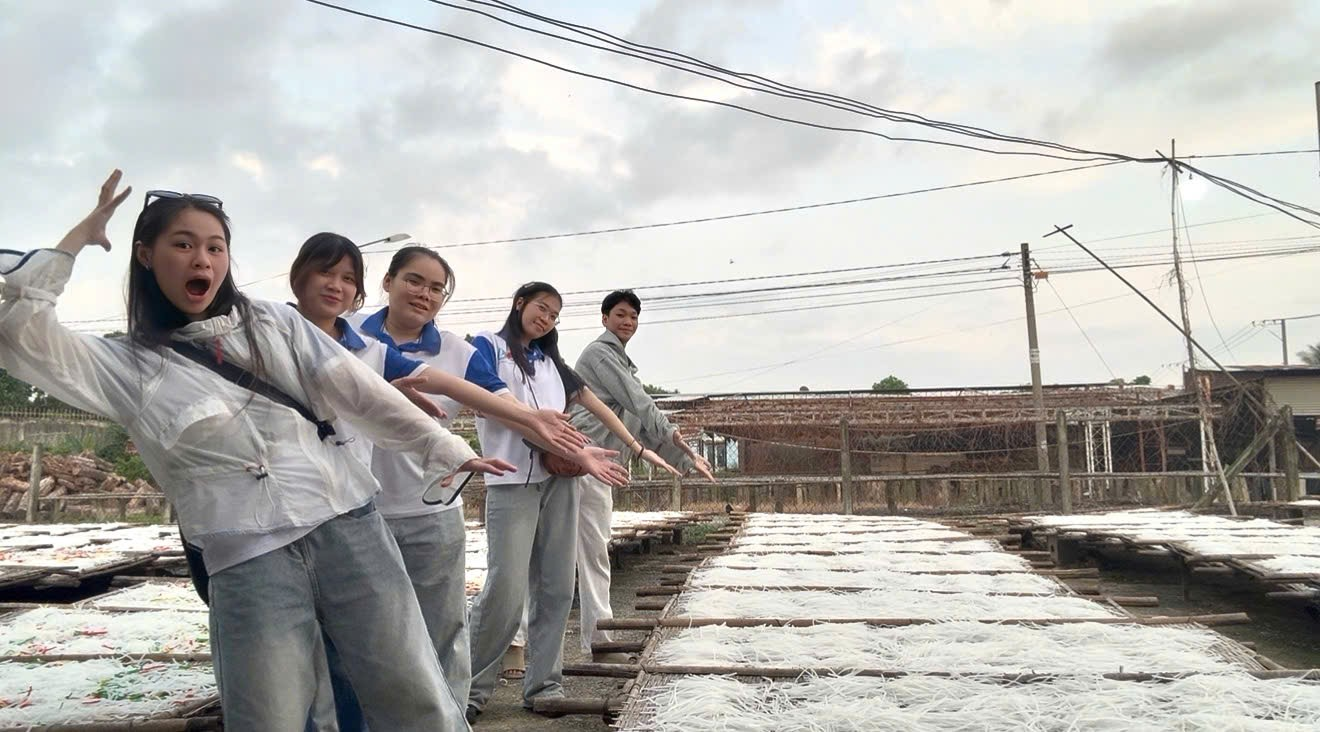
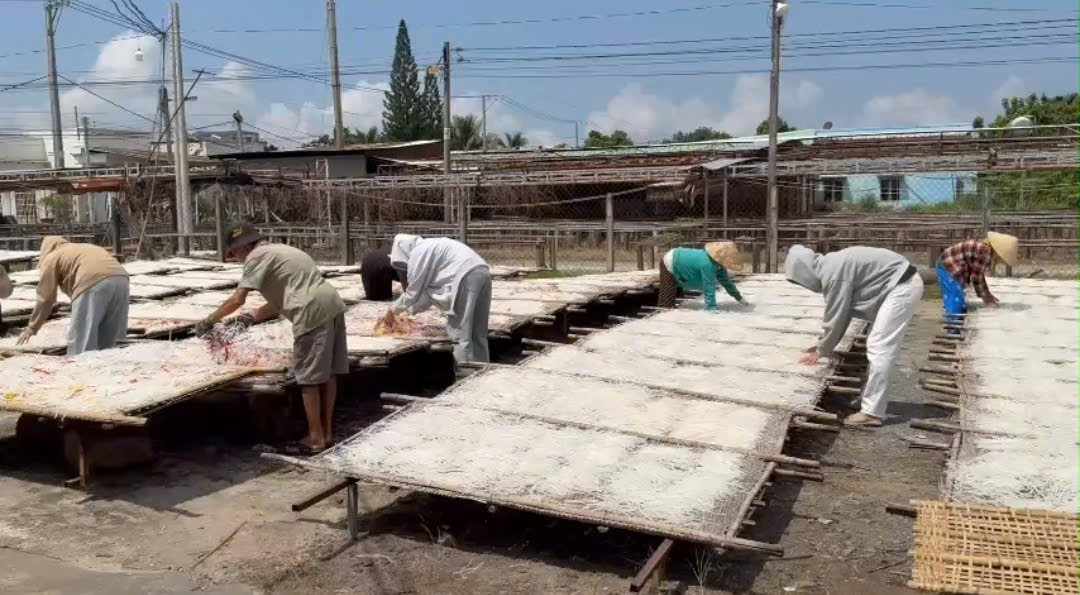
Beyond merely observing the production process, our team had the opportunity to roll up our sleeves and try our hand at several stages of the craft. Immersing ourselves directly in the artisans’ daily routine proved to be a fascinating experience. It provided a deeper appreciation for the meticulous care, physical labor, and exacting standards required to make sweet potato starch noodles. Though brief, this hands-on experience bridged the gap between observation and true understanding; tasks that once seemed simple
Source: Group of students taking selfies, 2026
Previously, when I saw colorful potato starch fibers in a cup of sweet soup, I just thought it was a familiar ingredient. But after the trip, I looked at them differently. Behind those small strands of dough are the workers’ labor time, experience, and even stories passed down over the years. Potato powder has become a familiar ingredient in sweet soup dishes and contributes to creating a unique feature in Tay Ninh culinary culture. Documents about the craft village also show that the profession of making potato starch has been maintained for many generations and has become a local feature.
Safeguarding Long Hoa’s sweet potato noodle craft can start with practical initiatives: enabling veteran artisans to pass down their techniques to younger generations, sharing the makers’ personal stories, promoting products across digital platforms, and launching hands-on cultural activities. When tourists, students, and researchers visit to observe and try their hand at the production process — just as our team did — the heritage becomes known not merely through its tangible goods, but through the living history of the craftspeople themselves.
Source: Student group, 2026
Reflections After the Journey
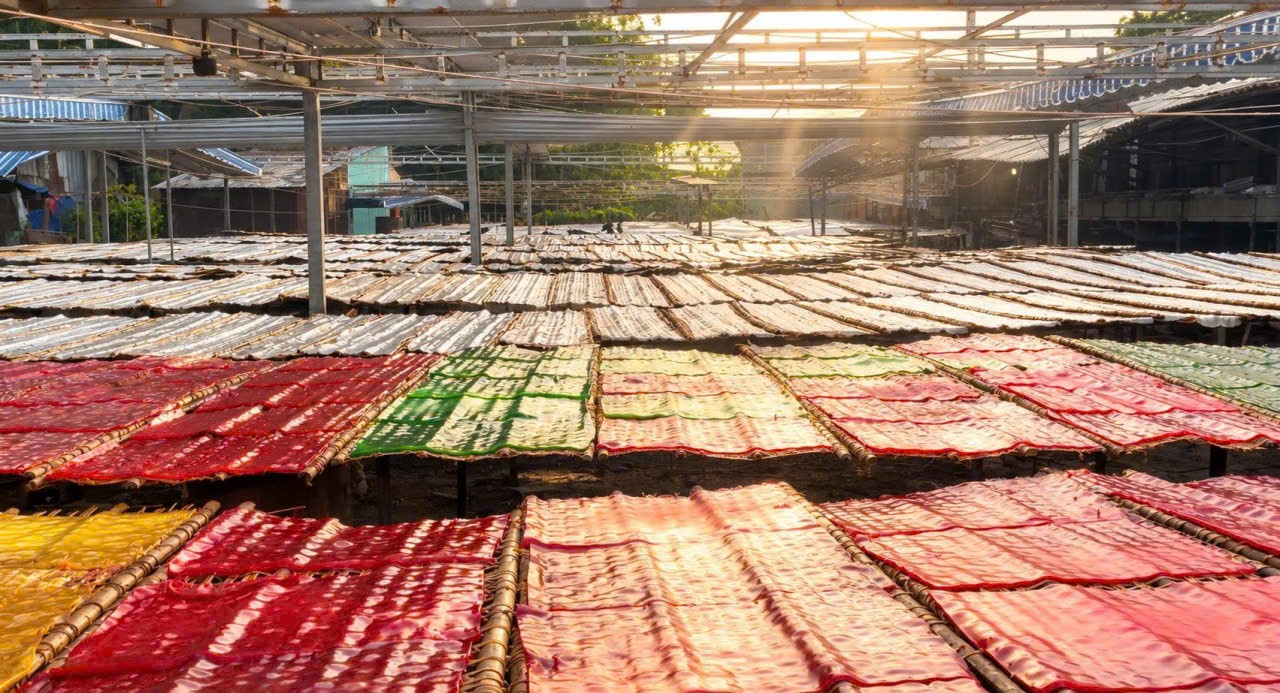
Leaving Long Hoa, my fondest memories extend far beyond the colorful drying racks and delicate noodles baking under the sun. I recall the artisans who begin their workday at dawn, their hands moving with effortless precision honed over decades, and the unforgettable thrill of standing beside the drying racks to flip the sheets of noodle batter myself. The field trip revealed that community cultural life is far from an abstract concept. It thrives in everyday labor, in the spirit of shared craftsmanship, and in the intergenerational commitment to preserving a culinary heritage deeply rooted in the local identity.
Perhaps therein lies the true value of Long Hoa’s traditional noodle making. Preserving the craft means far more than sustaining a physical product; it safeguards decades of collective memory, vital livelihoods, and a vibrant chapter of the community’s cultural narrative. For this heritage to endure, it requires the active dedication of today’s artisans, the enthusiasm of the younger generation, and the sustained engagement of the broader local community.
Following our field survey in Long Hoa Ward, I would like to express my sincere gratitude to Dr. Phạm Văn Luân for his guidance and for creating the opportunity for us to conduct on
Lam Tu Nguyen
Department: Ethnic Heritage and Culture
School: City University of Culture. Ho Chi Minh
REFERENCES
[1] Student survey group (2026), Field survey documents in Long Hoa ward, Tay Ninh province, September 28-29, 2026.
[2] Field interview (2026), interview with potato flour maker in Long Hoa ward, Tay Ninh province, September 28-29, 2026.
[3] Huynh Du (2026), “Preserving the soul of Tay Ninh tapioca flour profession in the midst of modern life”, Tuoi Tre Online, https://tuoitre.vn/plo/giu-hon-nghe-bot-khoai-mi-tay-ninh-giua-nhip-song-hien-dai-109895675.htm, accessed on October 1, 2026.
[4] Craft Villages of Vietnam (2025), “Tây Ninh Tapioca Noodle Craft: Secrets to Preserving Traditional Flavors,” Craft Villages of Vietnam, https://langngheviet.com.vn/nghe-lam-bot-khoai-tay-ninh-bi-quyet-giu-gin-huong-vi-truyen-thong-32189.html, accessed October 1, 2026.
APPENDIX
APPENDIX 1. FIELDWORK SURVEY PHOTOS IN LONG HOA WARD, TÂY NINH PROVINCE.
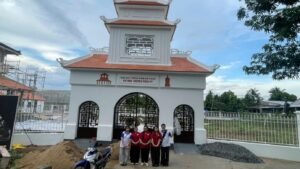
Figure 1. The student research team visiting the traditional tapioca noodle craft village in Long Hoa Ward, Tây Ninh Province, September 28–29, 2026.
[Photo: Taken by the student research team, 2026]
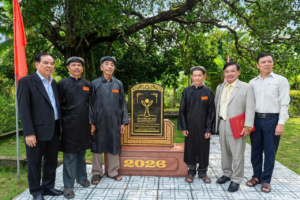
Figure 2. Conducting interviews with local tapioca noodle artisans in Long Hoa Ward, Tây Ninh Province, September 28–29, 2026.
[Photo: Student team, 2026]
Figure 3. An artisan uses a mechanized cutter to process sweet potato starch strands at a production facility in Long Hoa Ward, Tây Ninh Province, September 28–29, 2026.
[Photo: Student team, 2026]
Figure 4. A team of visiting students gains hands-on experience turning drying racks of sweet potato starch strands at a local facility in Long Hoa Ward, Tây Ninh Province, September 28–29, 2026.
[Photo: Student team, 2026]
Figure 5. Vibrant, colorful batches of sweet potato starch strands dry in the sun at a production facility in Long Hoa Ward, Tây Ninh Province, September 29, 2026.
[Source: Photo taken by student group, 2026]