Source: Trần Thanh Toàn, Sept 11, 2026
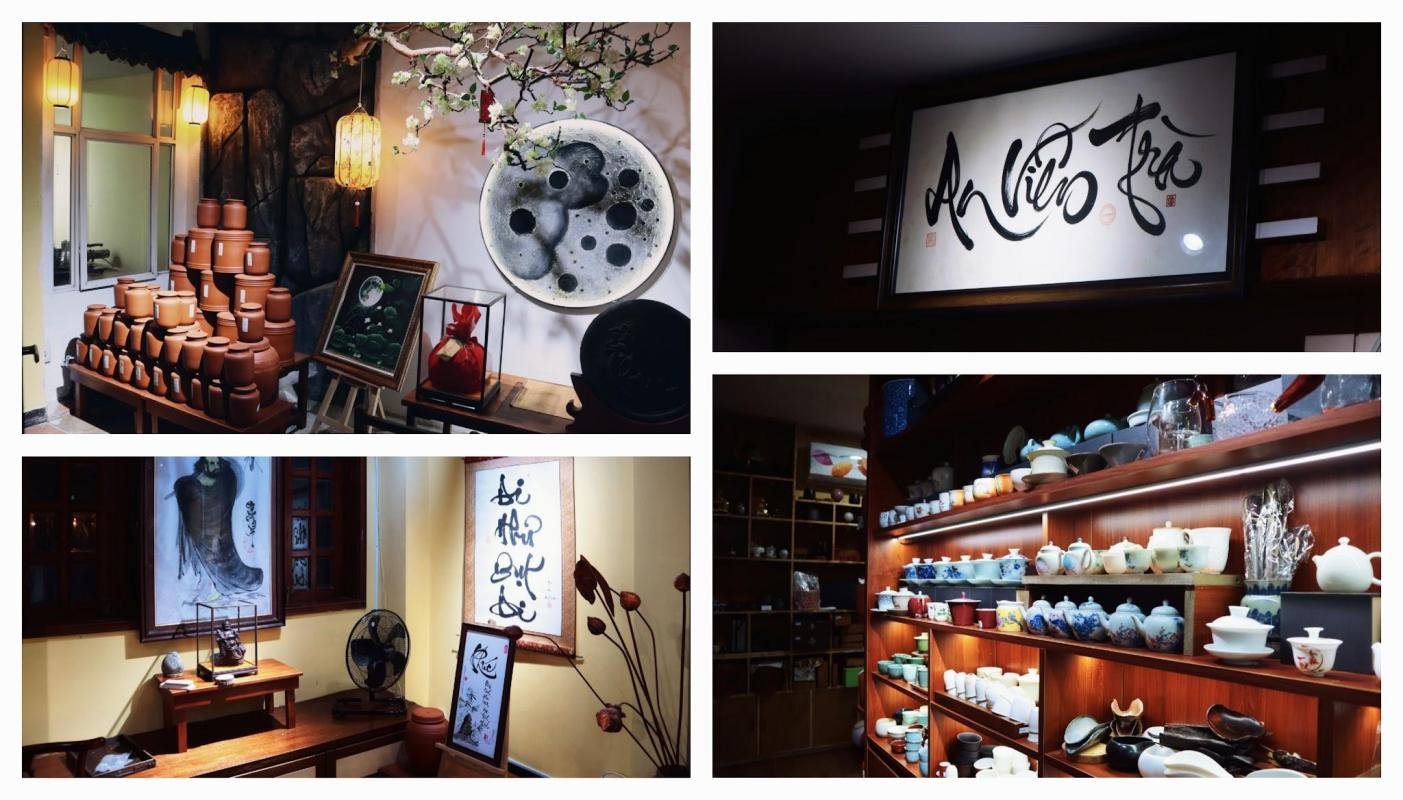
From the foggy forests of the Northwest across lush midland plateaus to fertile river deltas, tea plants have taken root across Vietnam. Over generations, tea has evolved from a daily beverage into an iconic cultural symbol. While Vietnam possesses ideal terrain, climate, and soil for tea cultivation, its domestic industry remains modest compared to other agricultural sectors and faces stiff competition from established tea powerhouses such as China, Taiwan, and Japan.Against this backdrop, Shan Tuyết Cổ Thụ (ancient Shan Tuyết tea) stands out as a unique jewel of Vietnamese tea culture. While most global tea production relies on cultivated plantations, Vietnam is among the few nations home to both wild forest tea (Shan Tuyết) and cultivated varieties. Centuries-old Shan Tuyết tea trees grow naturally in the high mountains of the Northwest, preserved by local indigenous communities to yield a distinct flavor profile and rich cultural story.Recognizing these values, An Viên Trà was established as a dedicated space for ancient Vietnamese Shan Tuyết tea. Centering on Shan Tuyết reflects not merely a commercial pursuit, but a mission to bring the story of ancient tea trees closer to the public. As Đoàn Thị Hiếu Thảo, founder of the “Đây là An Viên Trà” brand, notes, ancient Shan Tuyết embodies the quintessential spirit of Vietnamese tea—making it the heart of her brand’s commitment.
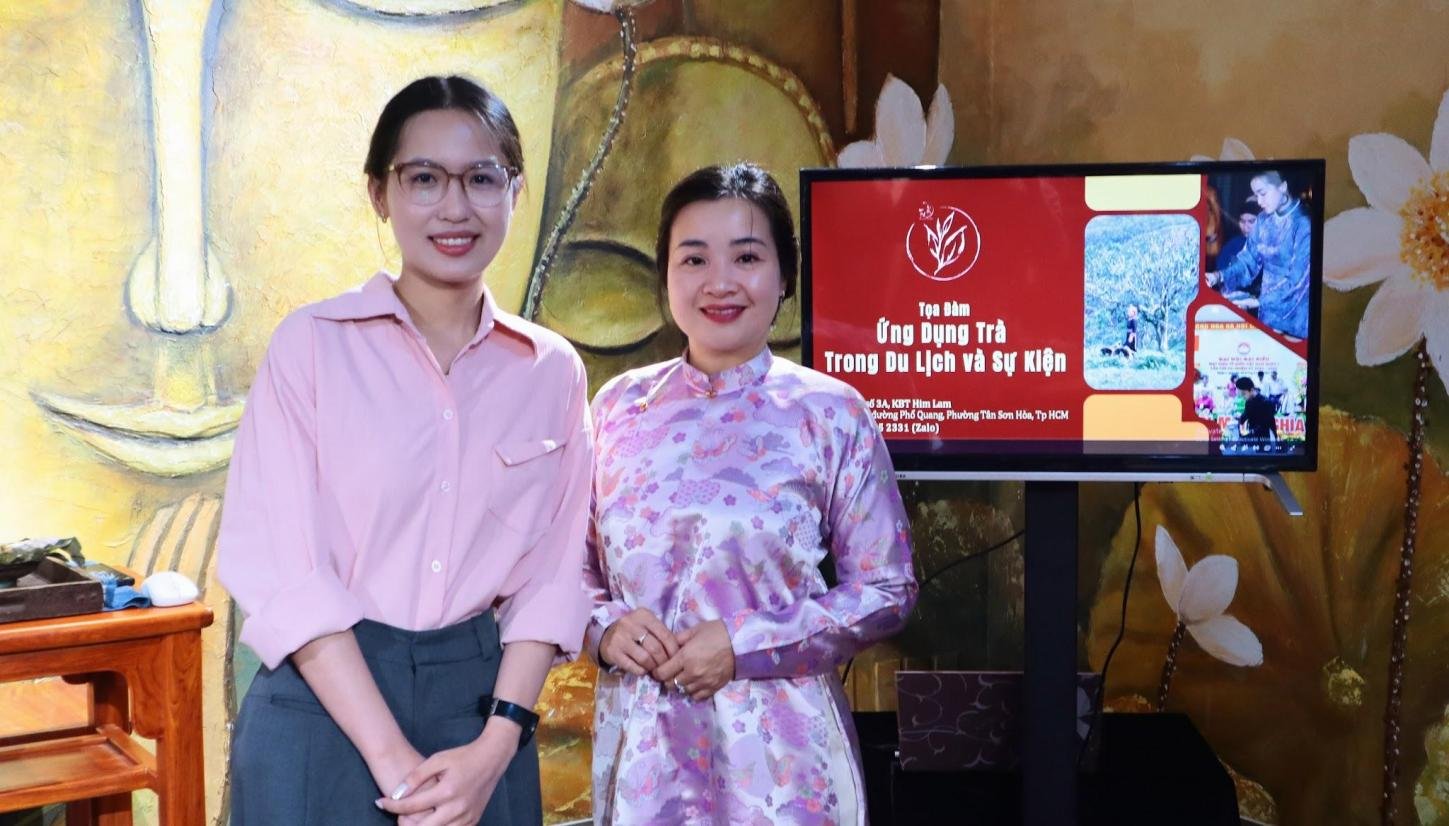
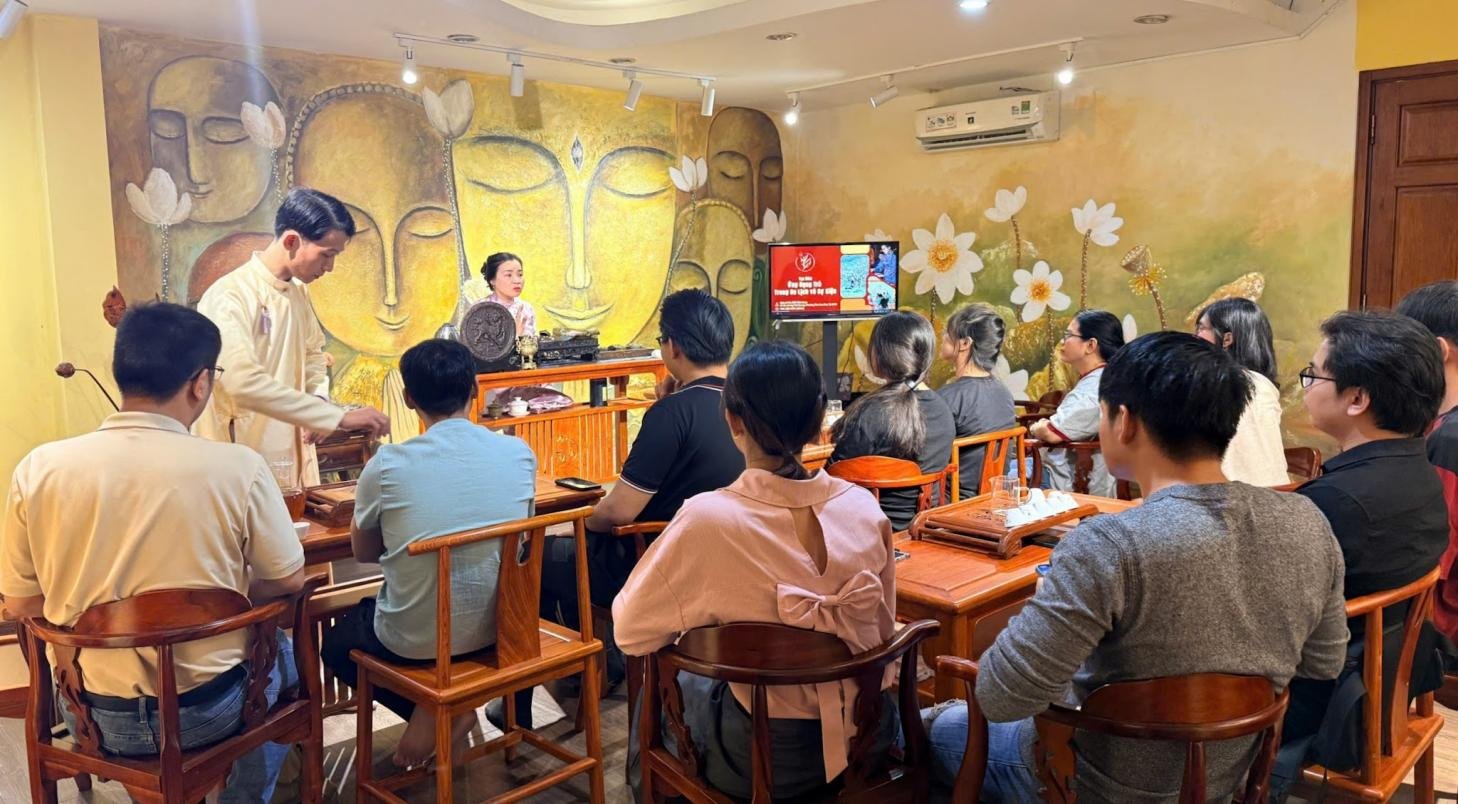
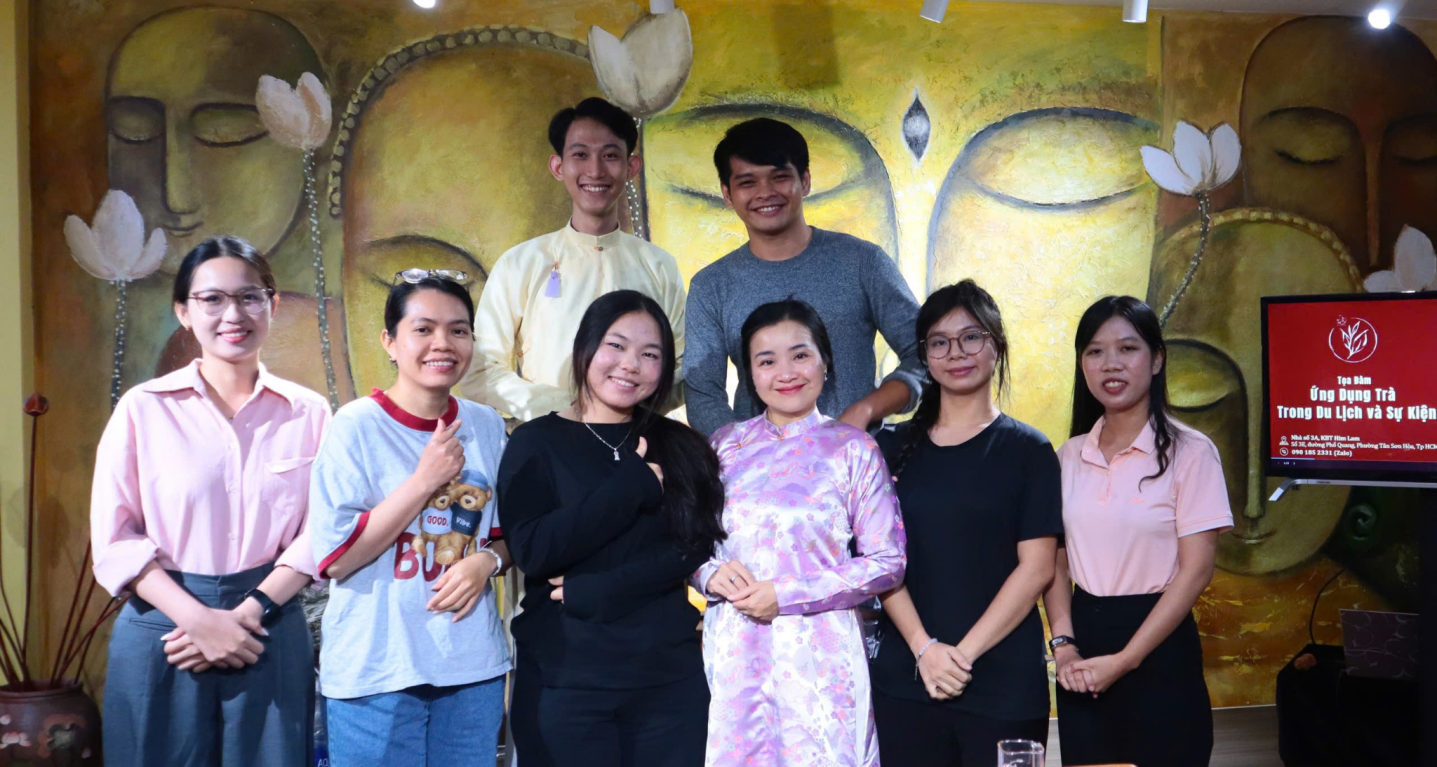
To highlight the heritage of ancient Shan Tuyết tea and foster a love for tea culture, An Viên Trà hosted a seminar titled “Applications of Tea in Tourism and Events” on the evening of September 11, 2026. Moving beyond simple product showcases or brewing demonstrations, the event introduced a fresh perspective: framing tea as a cultural narrative where flavor intersects with memory, identity, and community bonding. The history of tea was presented as a dynamic journey through Vietnamese life, illustrating cultural exchange and adaptation. Crucially, the discussion linked ancient Shan Tuyết tea with tourism and event design—demonstrating how ancient trees, unique ecosystems, and tea traditions can be transformed into immersive cultural experiences for the public.
Source: An Viên Trà, Sept 11, 2026
Source: Mỹ Quyên, Sept 11, 2026
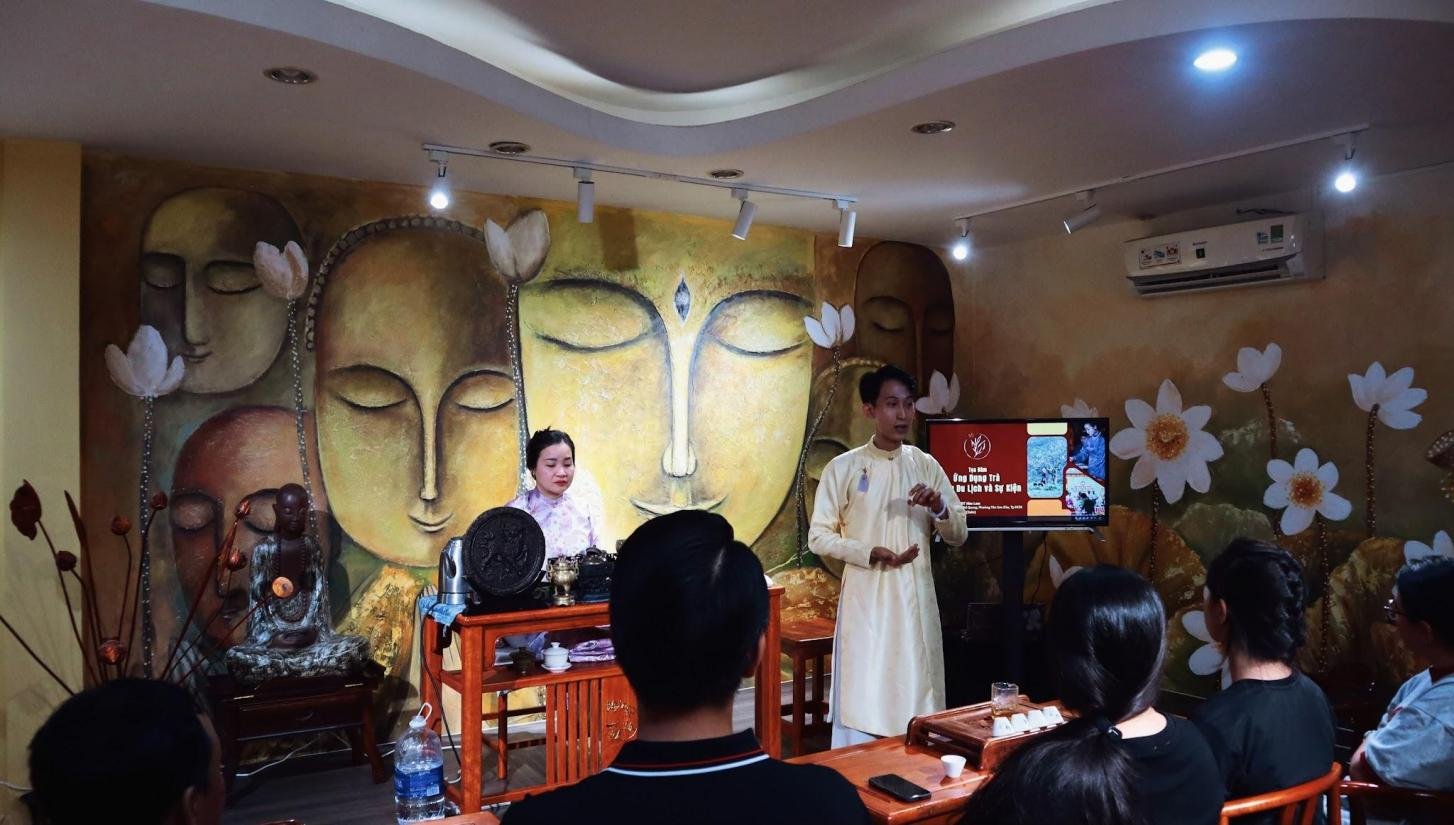
Source: Mỹ Quyên, Sept 11, 2026
Ancient Shan Tuyết Tea: The Soul of Vietnamese Tea from the Misty Northwestern Peaks
Before delving deeper into the stories and cultural significance surrounding Shan Tuyết, let us begin with the most fundamental question: What is Shan Tuyết tea?
Shan Tuyết tea is harvested from Shan tea trees grown in the high mountain regions of Vietnam. Its most distinguishing feature is its large buds, which are covered in a fine layer of silver-white down—hence the name “Shan Tuyết” (Snow Mountain). Many of these trees are centuries old, earning them the moniker ancient Shan Tuyết tea trees. Having adapted to harsh natural environments, Shan tea trees possess extraordinary vitality, producing large leaves, thick buds, and a rich concentration of natural compounds. Over time, these high-mountain tea varieties were brought to lower elevations, adapting to local soil, climate, and human cultivation to become midland tea. Consequently, Vietnam today boasts two distinct tea-growing regions, each with its own character.
Leaves from Shan tea trees can be processed into various teas, including green tea, white tea, and black tea. Like other tea varieties, Shan Tuyết can also be scented with lotus blossoms. Thanks to its distinctive aroma and taste profile, Shan Tuyết serves as an ideal base for crafting exquisite lotus-infused teas, adding a unique chapter to Vietnamese tea heritage.
Beyond flavor and etiquette, tea has long been valued for its health benefits. Among different varieties, Shan Tuyết—grown naturally in high-altitude ecosystems—is particularly prized for its therapeutic properties. According to Professor Nguyễn Quốc Vọng, author of Wild Shan Tea Trees of Vietnam and Quality Standards for Ha Giang Shan Tuyet Tea, tea offers numerous health advantages, with Shan Tuyết tea exhibiting significantly higher medicinal values than green tea cultivated in low-lying areas.
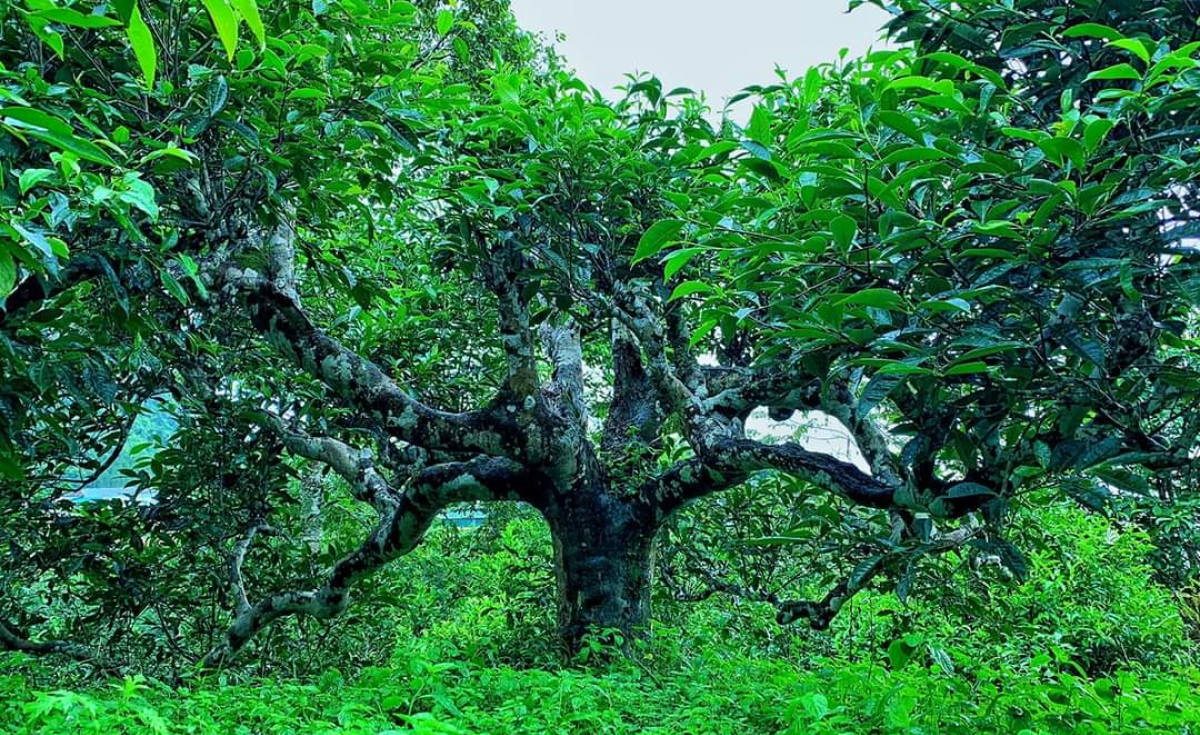
Source: Internet
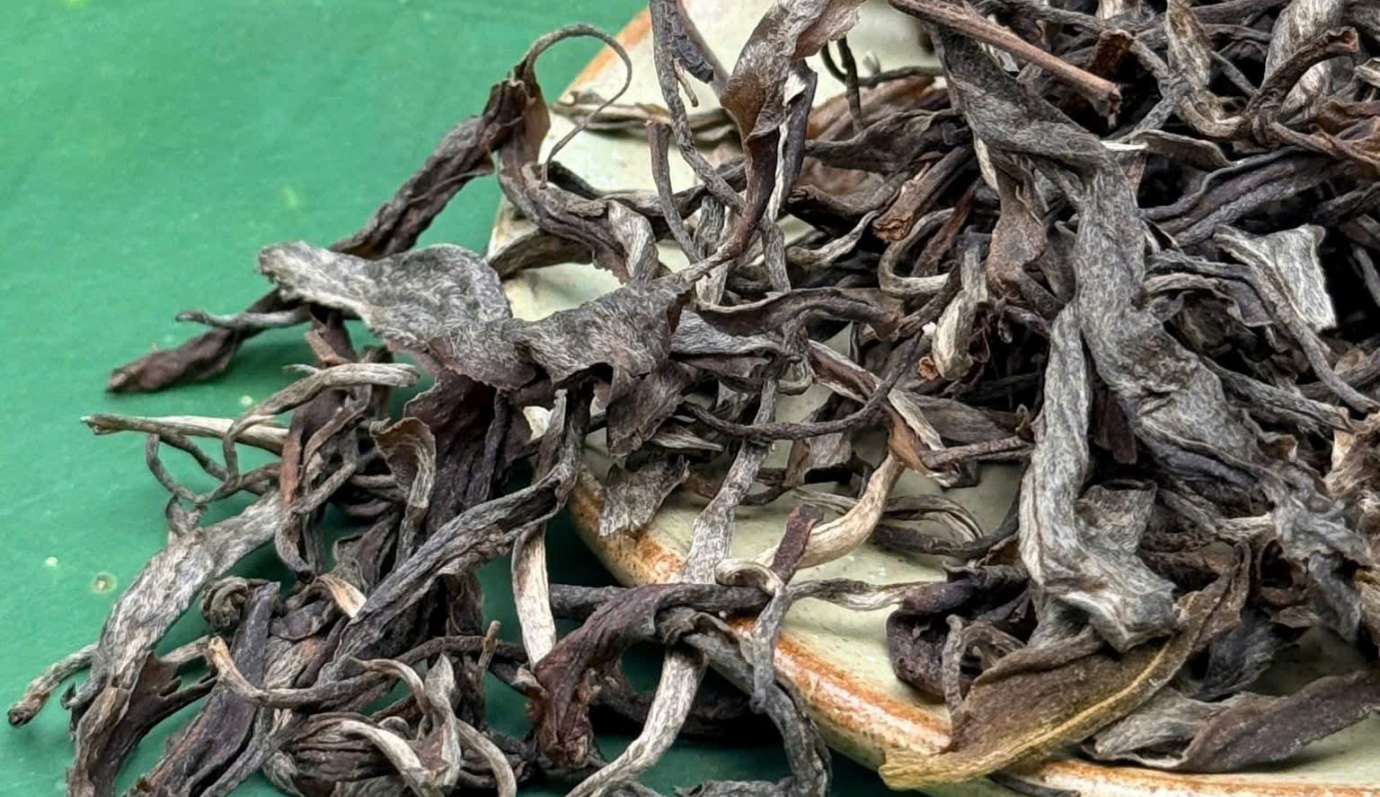
featuring signature tea buds coated in silver-white down.
Source: Đây Là An Viên Trà
Savoring the Flavors of Tea: A Dialogue with Memory and Identity
Once attendees had gathered, the seminar opened with a cup of black tea prepared by tea master Đoàn Thị Hiếu Thảo. Black tea derives its signature aroma, flavor, and rich amber color from a crucial fermentation process during production. For the author, it served as a delicate “appetizer”—the clear, golden infusion exhaling subtle notes of dried wildflowers. Smooth and sweet on the palate, its gentle astringency offered a fleeting whisper of an aftertaste, subtle enough to miss if one were not paying close attention. As guests sipped, conversation naturally unraveled around familiar themes: the history of tea, the journey of the tea plant, and how Vietnamese culture forged its distinct tea-drinking traditions over time. Beyond mere refreshment, each cup became a catalyst for shared stories and open dialogue.
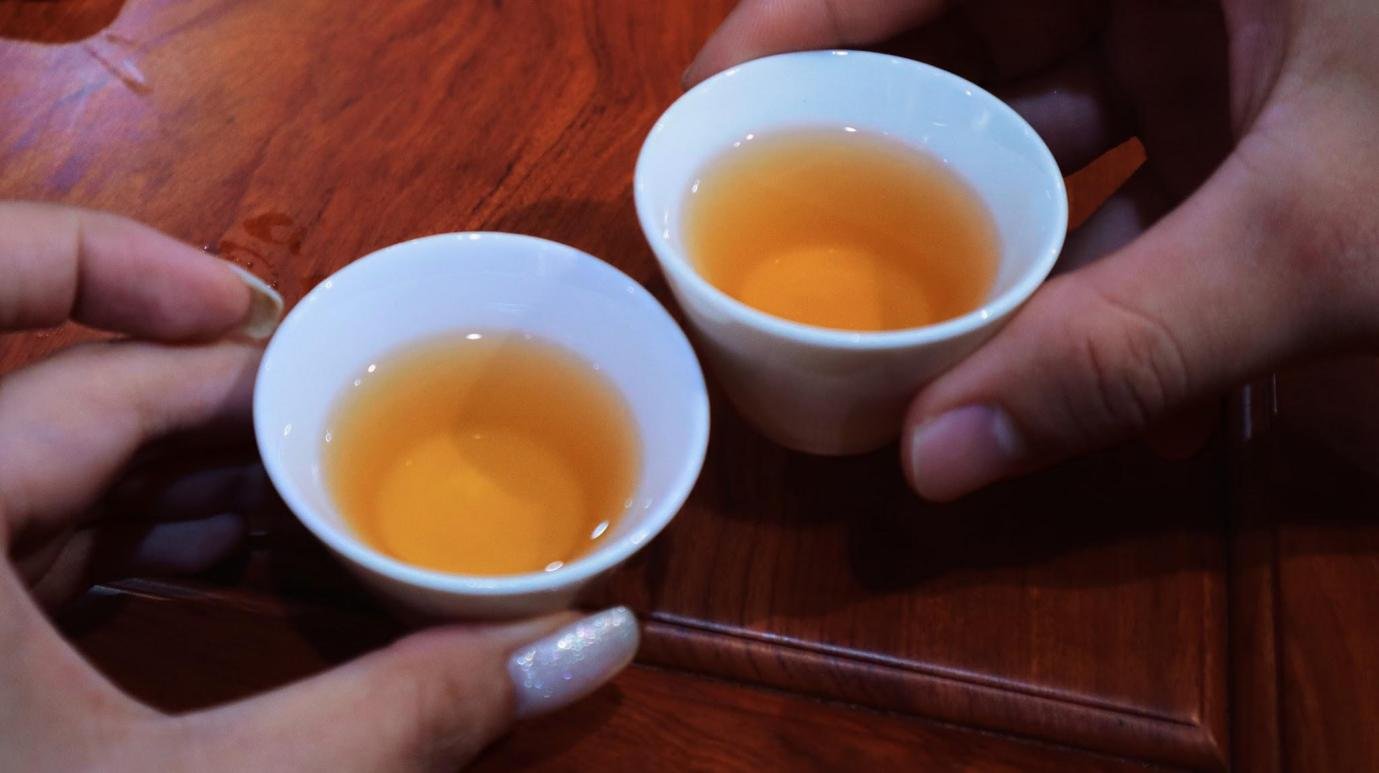
Source: Mỹ Quyên, Sept 11, 2026
Following the black tea, the teaware was rinsed clean to introduce lotus tea—a uniquely Vietnamese creation long revered as the pinnacle of the nation’s tea art. Attendees were introduced to quick-scented lotus tea (*trà ướp sen xổi*), where tea leaves are infused overnight inside fresh lotus blossoms to absorb their fragrance. Every step—from selecting the lotus flowers and base tea to mastering the precise infusion method and timing—requires meticulous craftsmanship to balance the pure floral perfume with the rich essence of the tea. A presentation by An Viên Tea on the famed lotus blooms of Tịnh Tâm Lake in Huế highlighted the deep connection between a simple cup of tea, its terroir, local heritage, and cultural memory. Transformed by human craftsmanship, the lotus—a flower deeply woven into everyday Vietnamese life—elevates the tea into a poignant reflection of the country’s soul and identity.
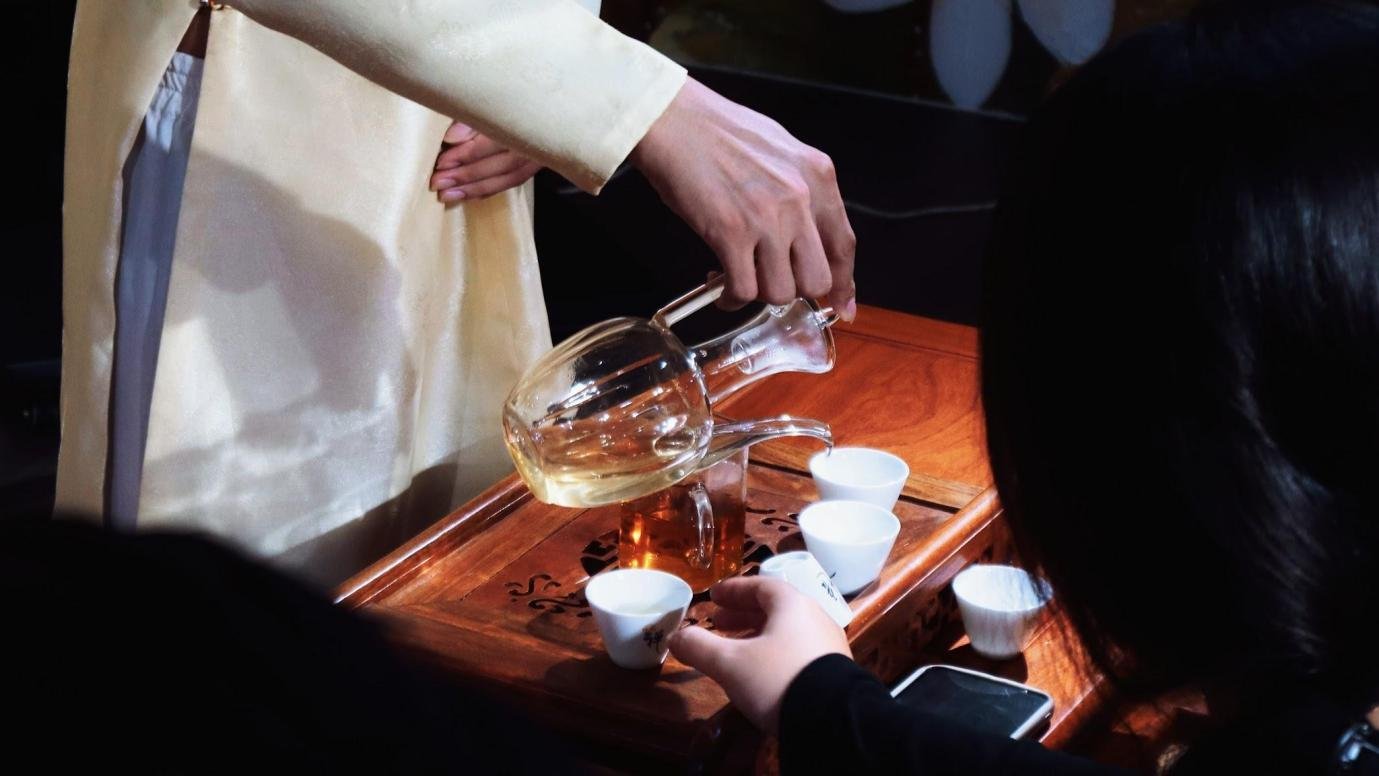
Source: Mỹ Quyên, Sept 11, 2026
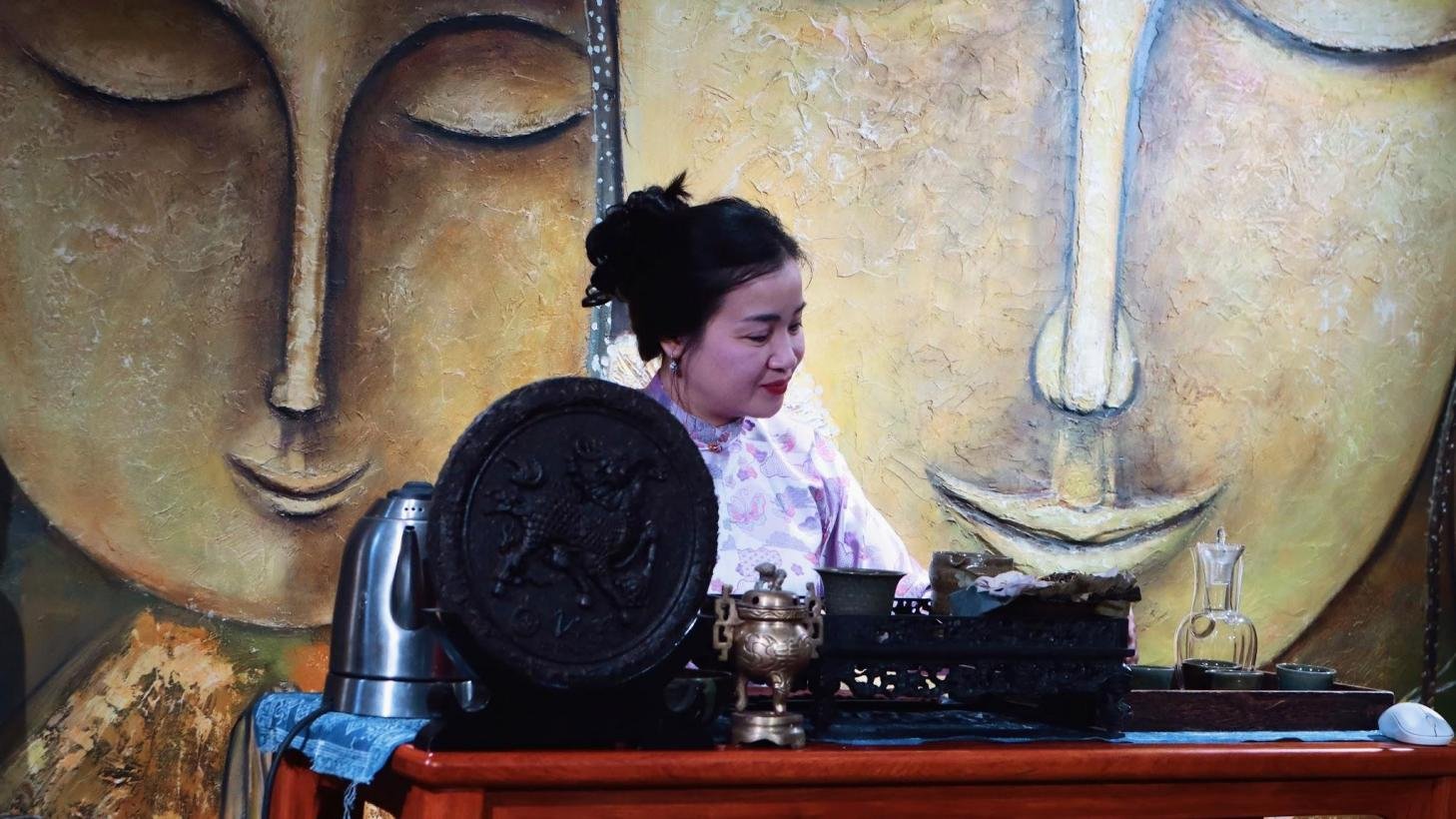
Another memorable highlight was the tea brewing demonstration. Stripped of background music or ornate flourishes, each movement unfolded with deliberate, gentle grace. Tea host Đoàn Thị Hiếu Thảo explained that tea preparation requires patience to preserve the leaf’s natural aroma and flavor profile. This unhurried pace carved out a contemplative lull in the room, allowing guests to fully immerse themselves in the liquor’s hue, delicate scent, and lingering finish.
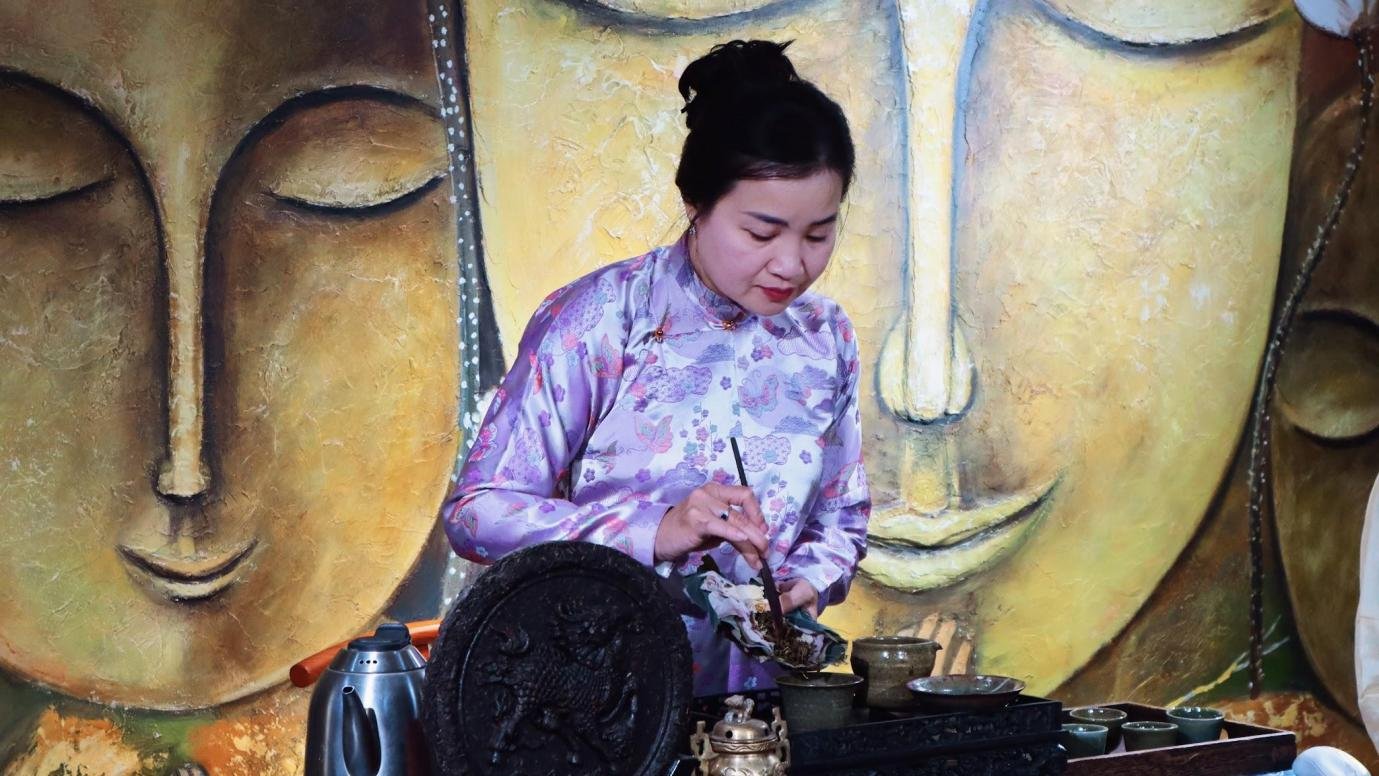
Source: Mỹ Quyên, Sept 11, 2026
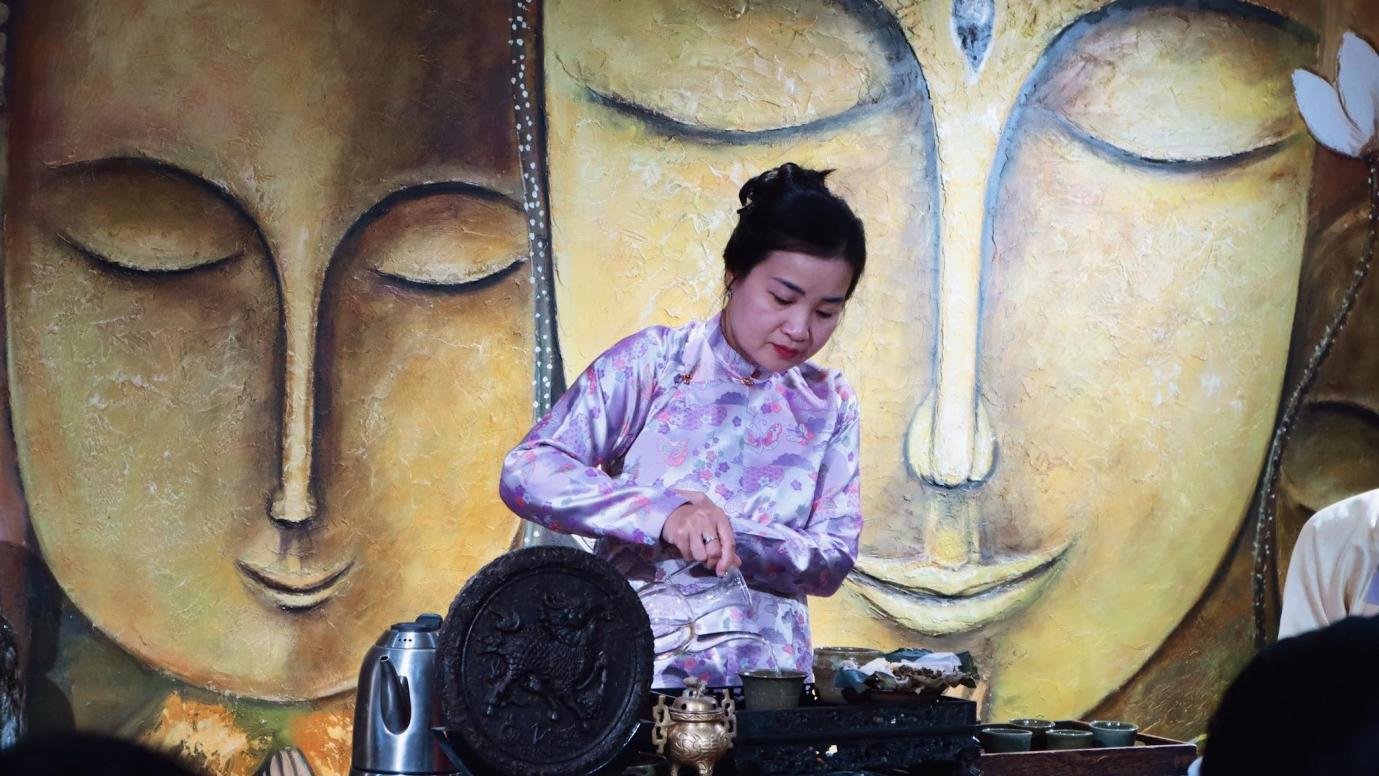
Source: Mỹ Quyên, Sept 11, 2026
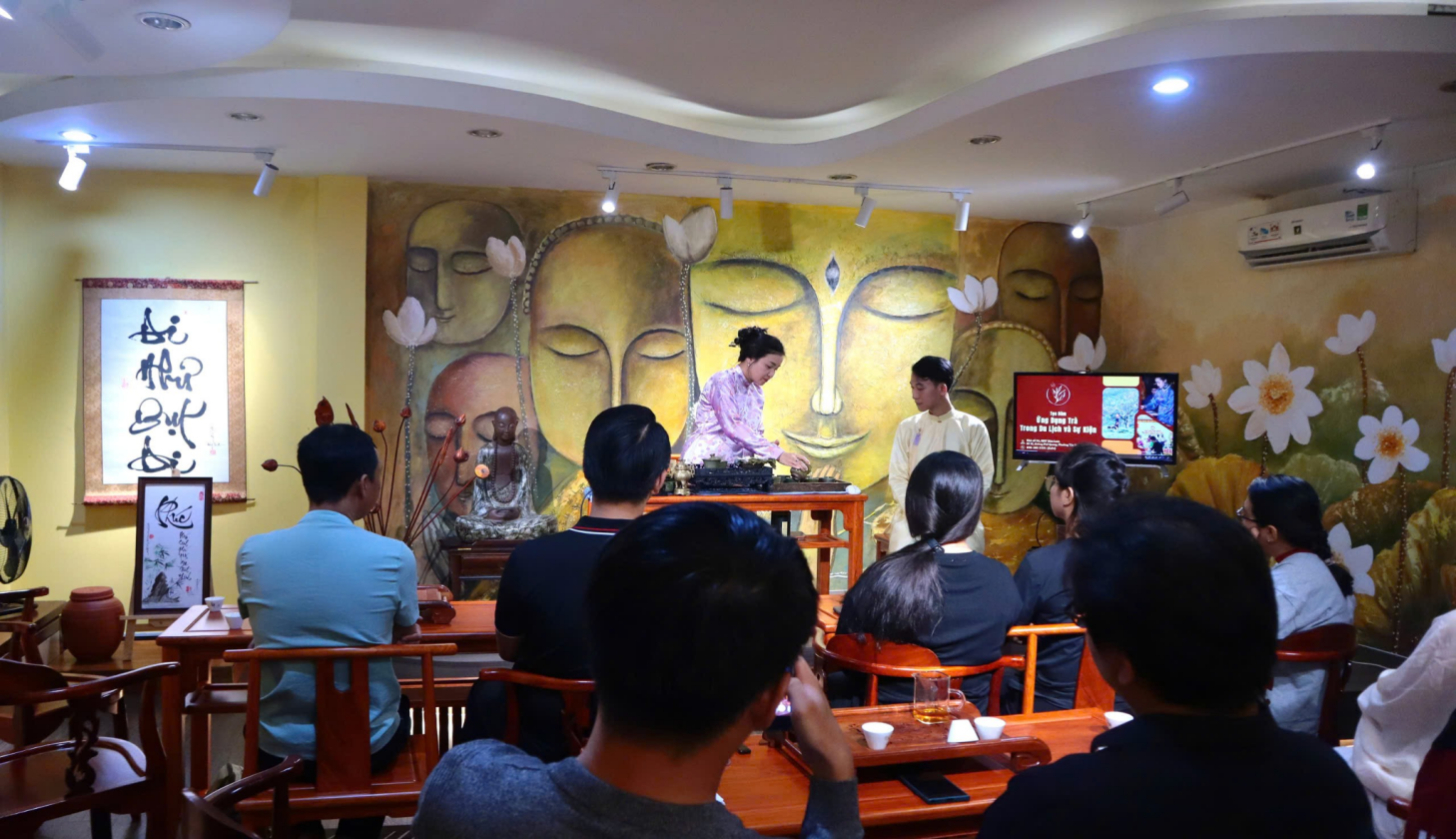
…under the attentive gaze of tea enthusiasts.
Source: Mỹ Quyên, Sept. 11, 2026
Reframing Vietnamese Tea Culture Through Tourism and Events
Early in the seminar, artisan Lê Chánh Can posed an intriguing question: What sets Vietnamese tea culture apart from the rest of the world? It is not an easy question to answer offhand. Dominated by global recognition of tea powerhouses like China, Japan, and Taiwan, Vietnam’s rich tea heritage has yet to gain equal international resonance or widespread depth of appreciation.
Yet, as discussions unfolded, distinct identity markers emerged. Vietnamese tea culture is defined by its omnipresence—a daily ritual enjoyed across the most humble settings—and its signature creation, lotus-infused tea. To elevate this heritage globally, however, the story of Vietnamese tea must be communicated through more accessible, immersive experiences. Here, tourism and event management offer powerful vehicles to bring tea culture closer to the public.
In this context, Ancient Shan Tuyết Tea (*Shan Tuyết Cổ Thụ*) stands out as a prime asset for tourism and cultural storytelling. Celebrated not only for its distinct flavor profile, Shan Tuyết tea is intertwined with centuries-old trees perched on high mountain peaks, sustainable indigenous farming practices, and ethnic communities who have safeguarded these tea forests for generations. These elements can be transformed into immersive experiences—from origin tours and ancient tree trekking to harvesting workshops and guided tastings paired with local storytelling. At curated events, Shan Tuyết tea can inspire interactive workshops, tasting lounges, and cultural showcases, allowing participants to savor both the brew and the profound heritage behind it.
When framed within an experiential journey, Ancient Shan Tuyết tea evolves from a mere commercial beverage into a compelling living narrative of nature, culture, and humanity—a story that can resonate across diverse mediums and audiences. This potential sparked lively debate among tea enthusiasts at the seminar, shedding light on innovative strategies to bring Shan Tuyết tea to the public eye through tourism and events.
As the seminar concluded, what lingered was more than just the delicate flavors of tea—it was a fresh perspective on tea as an evolving cultural narrative. Deepest gratitude goes to Đoàn Thị Hiếu Thảo, founder of Đây Là An Viên Trà, and artisan Lê Chánh Can for convening an open, inspiring space for tea lovers to connect and learn. For the faculty and students of the Ho Chi Minh City University of Culture—including the author—the event offered invaluable insights into framing tea heritage within tourism and event industries, alongside inspiring discussions on classifying Ancient Shan Tuyết tea trees as future National Heritage Trees. Perhaps, from a single cup of tea, a deeper narrative of eco-cultural identity begins, passed down through those who approach tea with curiosity, reverence, and devotion.
Source: An Viên Trà, Sept 11, 2026.
Source: Mỹ Quyên, Sept 11, 2026.
Phạm Thị Mỹ Quyên
Faculty of Cultural and Arts Management, Ho Chi Minh City University of Culture