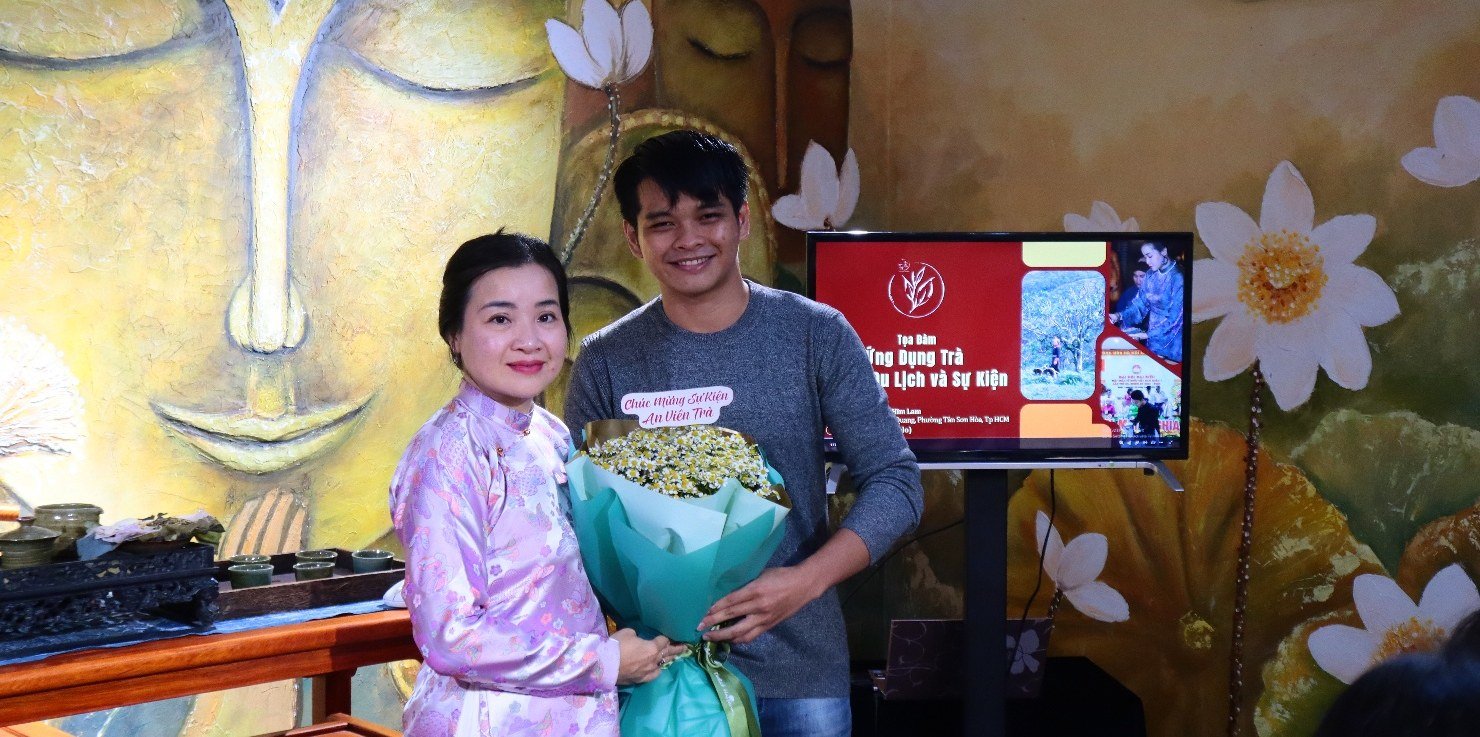
Source: Phạm Thị Mỹ Quyên, September 11, 2026
Tea Culture in Modern Experiential Spaces
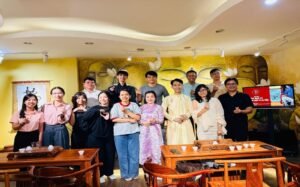
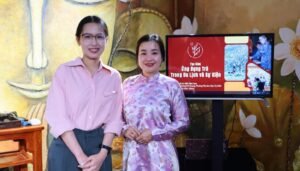
As digital transformation reshapes how the public accesses cultural heritage, integrating 3D and 360-degree virtual technology into tea tourism presents an intriguing frontier: mapping the physical spaces, narratives, and cultural values of tea into virtual environments to expand engagement with visitors. The seminar “Applying Tea in Tourism and Events,” hosted at “Đây là An Viên Trà” (An Viên Trà), convened tourism experts, business leaders, academics, and students in Ho Chi Minh City to discuss the role of tea in contemporary society. The session celebrated the delicate art of tea appreciation while highlighting intersections between heritage, education, creative tourism, and emerging digital technology.
A central topic of discussion focused on an enduring challenge: How can highland tea plantations, centuries-old wild tea trees, and the cultural narratives of indigenous communities reach young demographics and urban travelers who cannot easily visit the source regions? In response, drawing on insights shared by Mr. Nguyễn Đoàn Khánh Duy, a lecturer at the Ho Chi Minh City College of Culture and Arts, the author proposed deploying 3D/360 virtual solutions. This technology can expand tea appreciation beyond traditional tea houses, embedding it into interactive digital platforms designed for cultural tourism and heritage education.
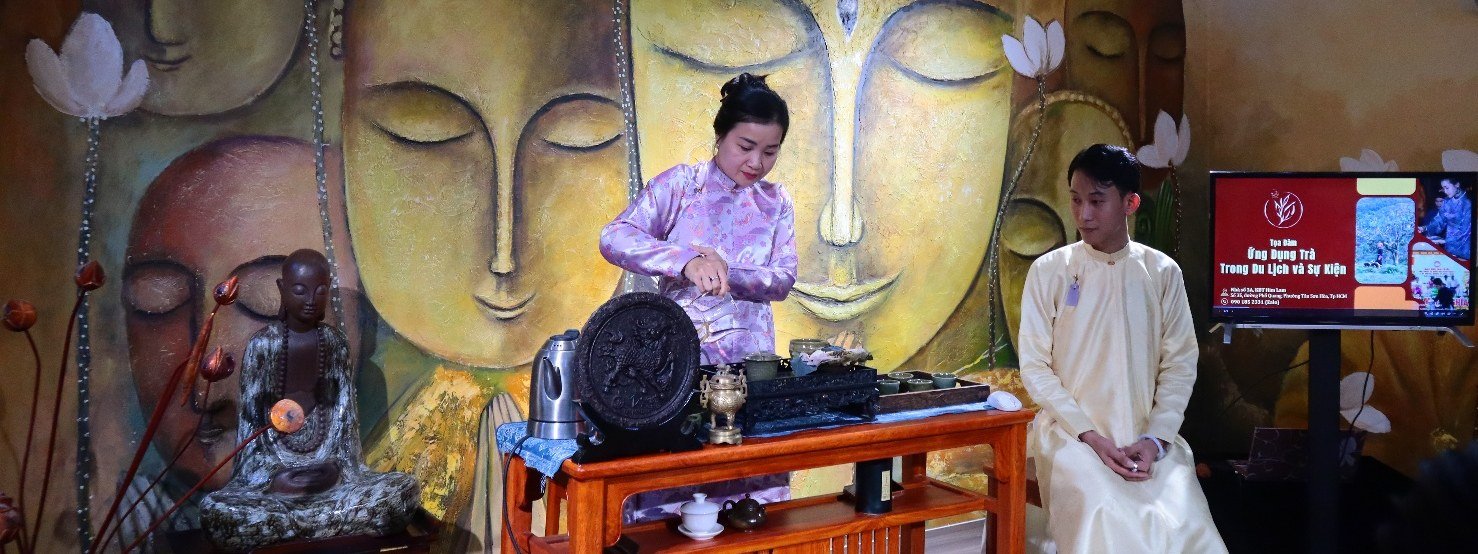
Source: Phạm Thị Mỹ Quyên, September 11, 2026
1. From a Cup of Tea to a Cultural Journey
The seminar unfolded in the serene, intimate atmosphere of An Viên Trà with a tasting of 100% wild, centuries-old Shan Tuyết black tea. This tasting served as an initial sensory touchpoint, introducing guests to the flavors, ambiance, and contemplative mindset inherent to tea culture. The gathering then observed a meticulous 13-step ritual of brewing freshly scented lotus tea served in handcrafted Phù Lãng ceramics, prompting a deeper discussion on water temperatures, steeping times, and the ceremonial role of teaware. The presentation of the Gaiwan (chén khải), the sea server (chén tống), and the unifying philosophy of “sharing tea” (phổ trà) illuminated the connection between brewing technique, visual aesthetics, and cultural heritage.
The true value of this experience was its participatory nature: attendees absorbed technical knowledge while observing, tasting, and exchanging insights firsthand. This hands-on dynamic reflects a growing shift toward creative, participatory tourism—an approach championed by Ho Chi Minh City that encourages travelers to engage actively rather than observe passively. Beyond the tasting itself, the seminar broadened into a strategic discussion on storytelling, heritage preservation, and modernizing traditional tea culture for a new era.
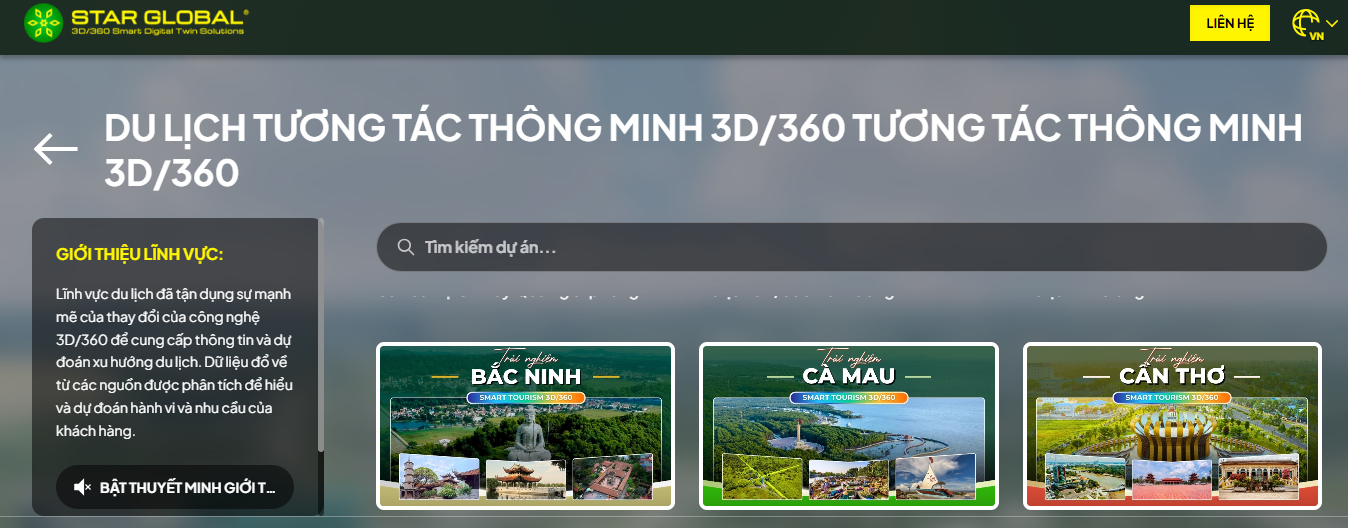
Source: Trần Thanh Toàn, September 17, 2026
2. 3D/360 Technology and the Digitization of Tea Terroirs
Understanding 3D/360 Technology
According to Huỳnh Thị Anh Thư (2026), 3D/360 technology merges 3D spatial modeling with panoramic 360-degree photography. This dual approach harnesses spatial simulation derived from three-dimensional spatial data alongside fluid, multi-directional panoramic viewing.
In the cultural and tourism sectors, combining these two methodologies facilitates more immersive, intuitive digital environments. Historic tea houses, remote plantation terroirs, natural landscapes, and surrounding cultural customs can be systematically surveyed, curated, and digitized into virtual exploration platforms. However, the value of this technology extends far beyond visual replication. To succeed in tea tourism, digital assets must be paired with substantiated cultural narratives, authenticated data, and custom user journeys tailored to diverse audiences.
From Physical Spaces to Digital Twins
A comprehensive tea experience can be structured across multiple informational layers:
Spatial Layer: Terroir landscapes, regional architecture, tea-tasting spaces, and the surrounding natural environment.
Cultural Layer: The history of indigenous tea trees, traditional processing methods, indigenous wisdom, and community customs.
Experiential Layer: Guided observation, interactive elements, step-by-step discovery, and deep dives into traditional tea-making arts.
Tourism Integration Layer: Practical destination overviews, artisanal products, tour itineraries, and avenues for real-world travel bookings.
When integrated thoughtfully, these multi-tiered digital assets deliver an enriching virtual journey, allowing users to admire the physical landscape while gaining an intimate appreciation of the cultural heritage behind every harvest.
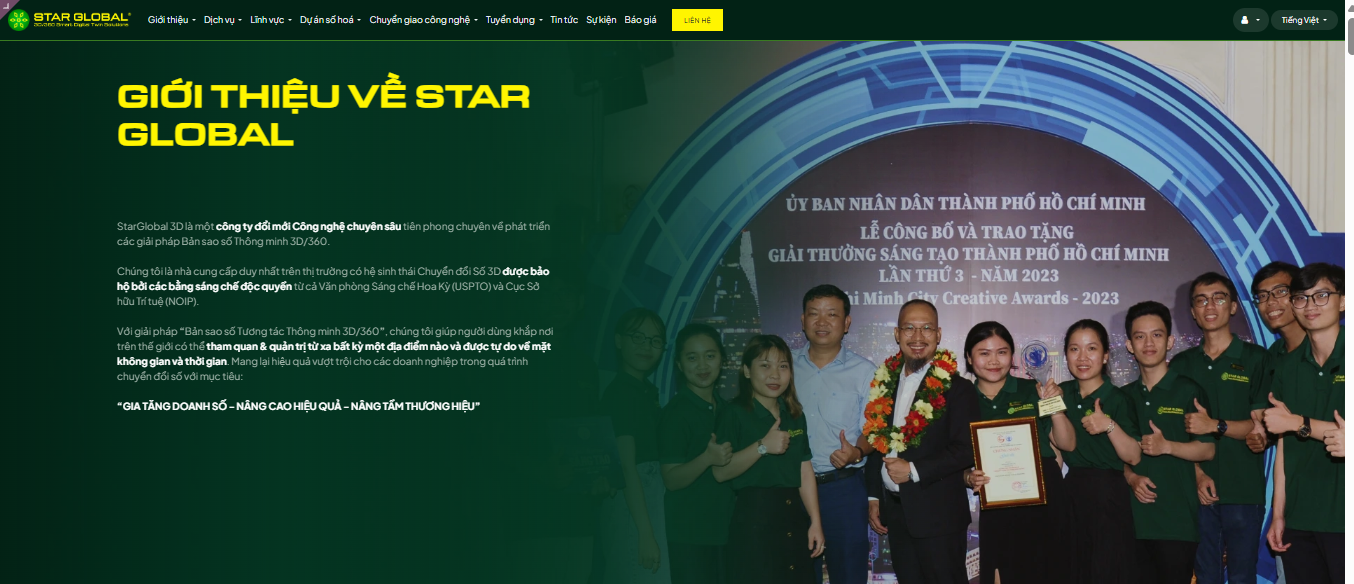
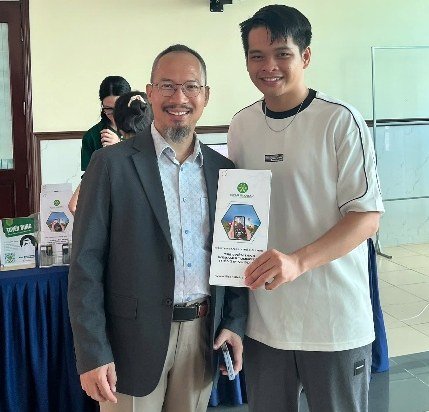
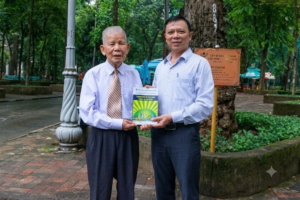
Figure 4: Star Global 3D alongside Dr. Trần Duy Hào, Board Chairman and CEO of Star Global 3D Solutions JSC, and the author, championing cultural preservation through 3D/360 digital twin models.
Source: Star Global 3D and Phạm Thị Mỹ Quyên, September 17, 2026 (left) and August 14, 2026.
3. Star Global 3D: Highlighting the Capabilities of a Science and Tech Enterprise
In discussions on applying modern technology to culture and tourism, Star Global 3D serves as a compelling case study of a tech-driven enterprise specializing in 3D/360 spatial digitization and digital twin solutions.
According to case materials presented at the symposium, the firm has developed an end-to-end suite of proprietary capabilities—spanning physical data capture and spatial data processing to interactive visualization platforms and artificial intelligence integration. These competencies unlock substantial potential across cultural heritage preservation, museum curation, academic instruction, and experiential cultural design.
In the context of tea culture and tourism, a pivotal consideration is the mechanism by which physical spatial data can be transformed into immersive digital narratives. This approach opens fresh channels for sharing the heritage of Vietnamese tea, its terroir, and the cultural traditions woven into each destination. By highlighting Star Global 3D, the author illustrates how digital capabilities can align with experiential tourism, spotlighting potential collaborations with An Viên Trà to advance sustainable value creation.
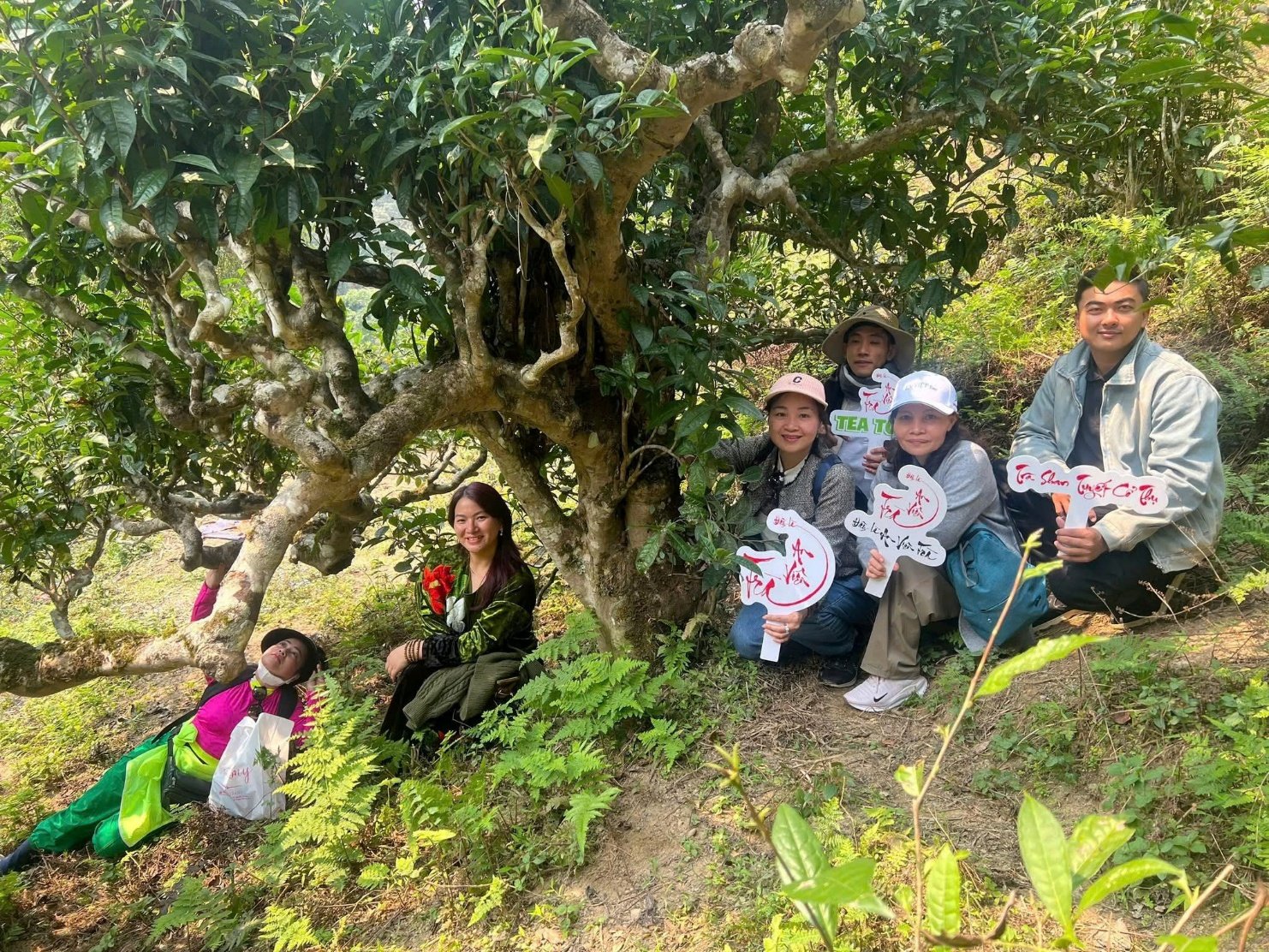
Source: An Viên Trà, October 15, 2023
4. Bringing the Story of Tea into Cyberspace: Expanding Tourism Experiences
Beyond Seeing: Fostering Understanding and Connection
A recurring insight at the symposium was the palpable disconnect between urban tea connoisseurs and the remote highland plantations where the leaves are cultivated. A consumer may savor a cup of wild Shan Tuyết tea in Hồ Chí Minh City, yet rarely has the opportunity to visualize the rugged terroir, climatic conditions, harvesting methods, or the livelihoods of the ethnic minority communities behind every brew.
Immersive 3D/360 technology can bridge this perceptual divide by mapping physical terroir into a rich digital experience. Rather than marketing products solely through packaging and static photography, brands can craft an experiential journey rooted in geographical provenance. For example, at an An Viên Trà tasting lounge, visitors could step into a digital twin of high-altitude tea plantations—accessing panoramic vistas, spatial models, and curated thematic narratives. This concept offers An Viên Trà a practical blueprint to elevate tea tastings, cultural tours, and brand events, forging deeper consumer touchpoints while championing the sustainable values the brand espouses.
Bridging the Virtual Experience and Real-World Tourism
Virtual environments can serve as an evocative prelude to travel. As prospective visitors gain a nuanced appreciation of a tea region’s landscape, traditions, and artisanal processes, their curiosity often evolves into a desire for firsthand exploration. Nevertheless, whether virtual encounters directly drive physical travel must be rigorously assessed through empirical research, user experience design, and field data. The core imperative lies in seamlessly harmonizing cutting-edge technology with authentic tea culture, community participation, and high-quality on-the-ground experiences.
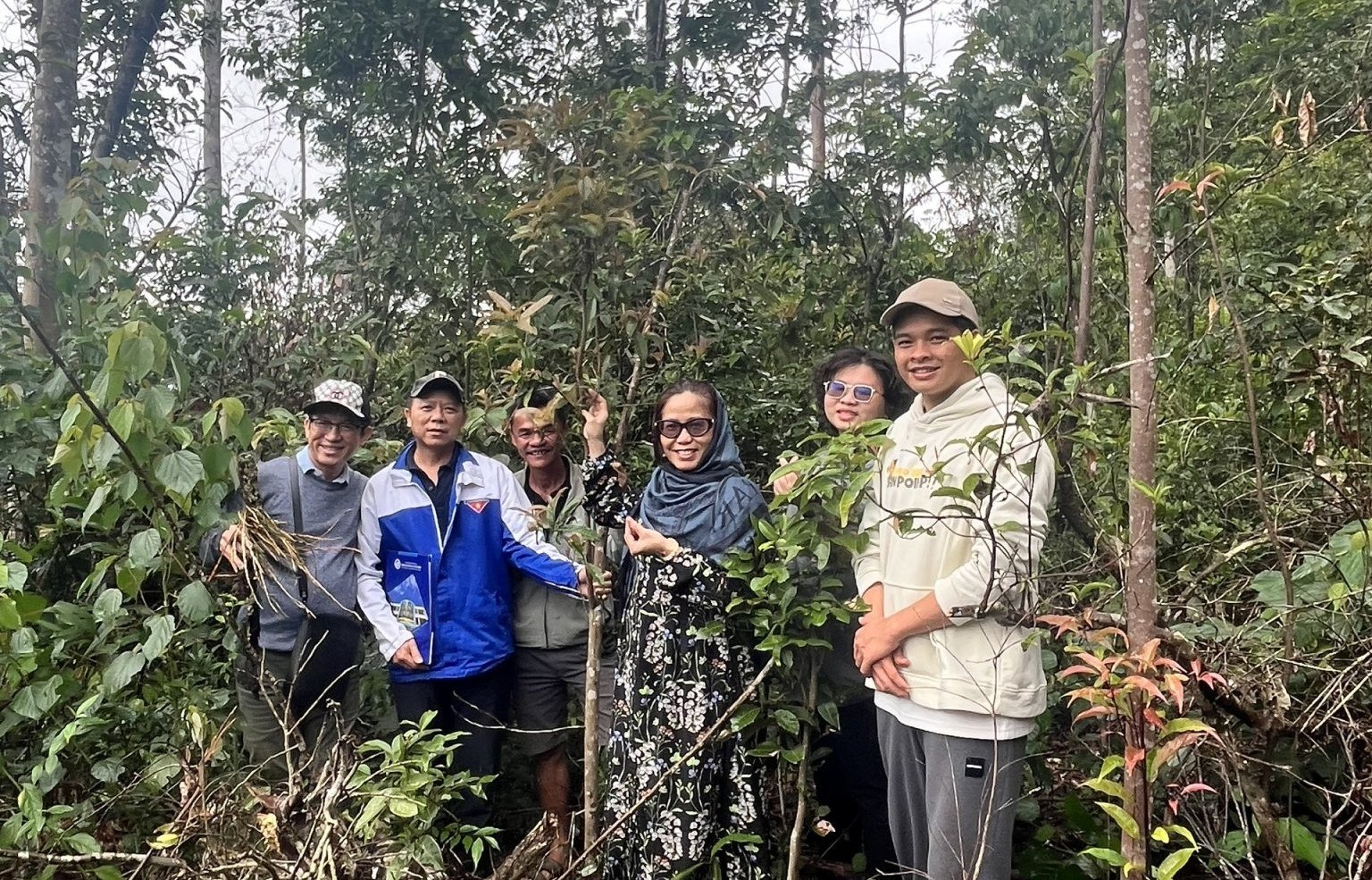
Field research in Quảng Sơn Commune, Lâm Đồng Province (from left to right: Dr. Nguyễn Hồ Phong, Dr. Phạm Văn Luân, Director of Tà Đùng Cooperative Võ Duy Quang, Dr. Lê Thị Thanh Thủy, graduate student Nguyễn Khánh Ni, and undergraduate student Trần Thanh Toàn).
Source: Research Team, August 28, 2026
5. From the Tea Ritual to a Cultural Tourism Development Model
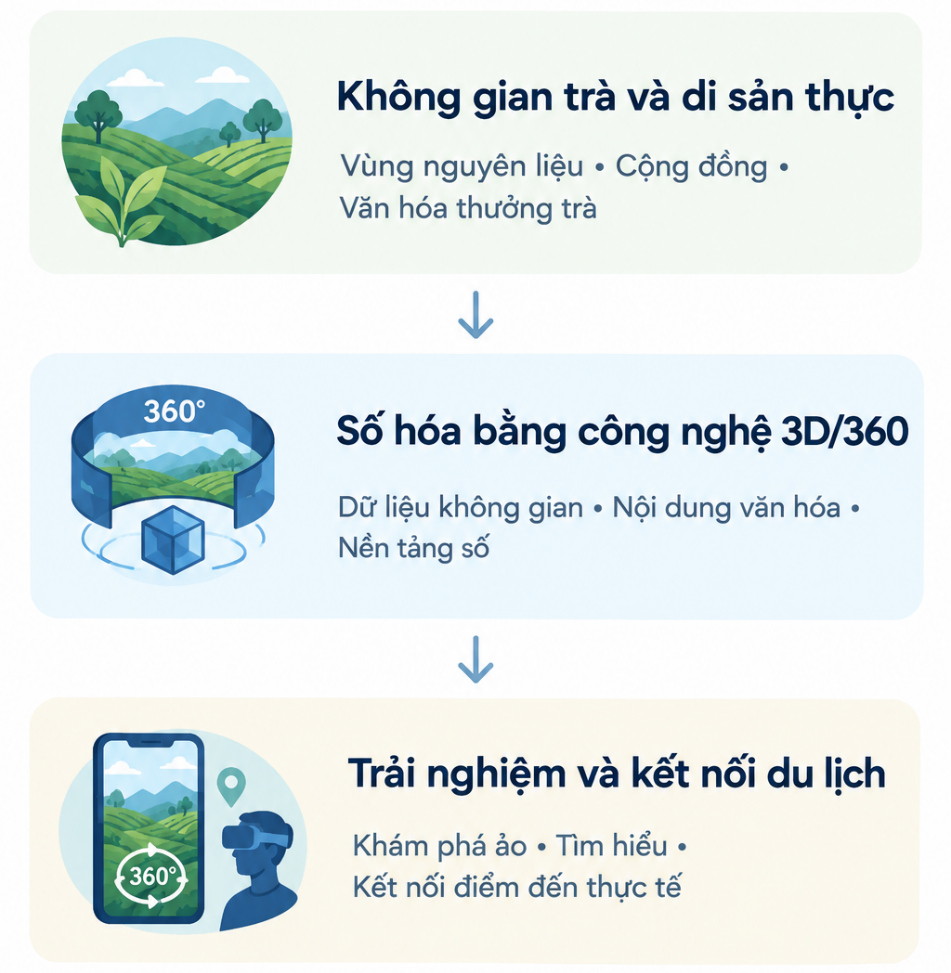
Drawing from the field survey across Lâm Đồng’s tea-growing regions and the dialogue during the panel, the author proposes framing the application of 3D/360 technology in tea tourism at An Viên Trà through three core dimensions, illustrated in the model below:
Strategic Value for An Viên Trà
Spatial 3D/360 technology unlocks innovative avenues for storytelling, linking products directly to their origins, cultural milieu, and experiential tourism. Rather than merely cataloging tasting notes and technical attributes, An Viên Trà can craft an unbroken narrative arc—from mist-shrouded plantations to the teacup poured in a contemporary urban lounge. This digital media can be integrated into marketing initiatives, consumer education, destination showcases, and interactive workshops. Ultimately, the efficacy of this digital transformation hinges on data accuracy, thoughtful interaction design, operational execution, and receptive consumer feedback.
Value for Cultural Heritage Preservation and Education
In education and heritage conservation, digitizing tea landscapes preserves invaluable records of agro-ecological environments, indigenous wisdom, and artisanal processing techniques. These digital assets can be channeled into academic inquiry, public pedagogy, and museum exhibitions. Crucially, technology must remain an enabler rather than a surrogate for living heritage and community agency. Curators and developers must therefore uphold factual accuracy, respect data ownership and community consent, and safeguard the living vitality of intangible cultural traditions.
6. Nurturing Vietnamese Tea Culture in Contemporary Life
The symposium “Integrating Tea into Tourism and Events” at An Viên Trà provided an inspiring venue to explore the intersection of ancient tea rituals, creative tourism, and emerging technologies. From the delicate mechanics of traditional brewing to virtual reconstructions of highland terroirs, the event highlighted dynamic new frontiers for engaging with tea culture. Within this framework, 3D/360 technology stands out as a powerful bridge to engage younger generations, international travelers, and heritage enthusiasts. “This is An Viên Trà” can thus evolve into an experiential philosophy—where a teahouse transcends its physical footprint to become a cultural portal connecting guests to the land, the artisans, and the enduring heritage behind every cup.
Realizing this vision requires synchronized collaboration among technology developers, cultural institutions, academic experts, local communities, and tourism stakeholders. When anchored in verified data and purposeful design, digital tools can profoundly expand how Vietnam preserves, celebrates, and projects its storied tea heritage in the modern era.
From a single cup of tea, the story of the land unfolds.
From physical terroir, an expansive journey of discovery opens into the virtual realm.
By fusing heritage with 3D/360-degree technology, these initiatives continue to pave new pathways for Vietnamese tea culture to be experienced, appreciated, and revitalized in contemporary life.
Trần Thanh Toàn, Student
Ho Chi Minh City University of Culture
Contributor, Bến Tre Youth Creative Group
References
Huỳnh Thị Anh Thư. (2026). What is 3D/360 Technology? Key Benefits of 3D/360 You Need to Know. StarGlobal 3D. https://starglobal3d.com/blog/kien-thuc-cong-nghe-4/cong-nghe-3d360-la-gi-loi-ich-noi-bat-cua-3d360-ban-can-biet-16 .