When the textbook page blends with the breath of life
In the journey to approaching Cultural Theory, our Culture students often start with seemingly dry concepts: historicity, cultural subjectivity, the function of community cohesion, or the change of value systems. However, when placing those theories next to two articles – one is a worrying perspective on the risk of “appropriating Hoan Kiem Lake heritage” on xudua.com, and the other is the article “Preserving ‘living heritage’ in the heart of Ho Chi Minh City” in the People’s Army newspaper – the textbook pages suddenly become the breath of real life.
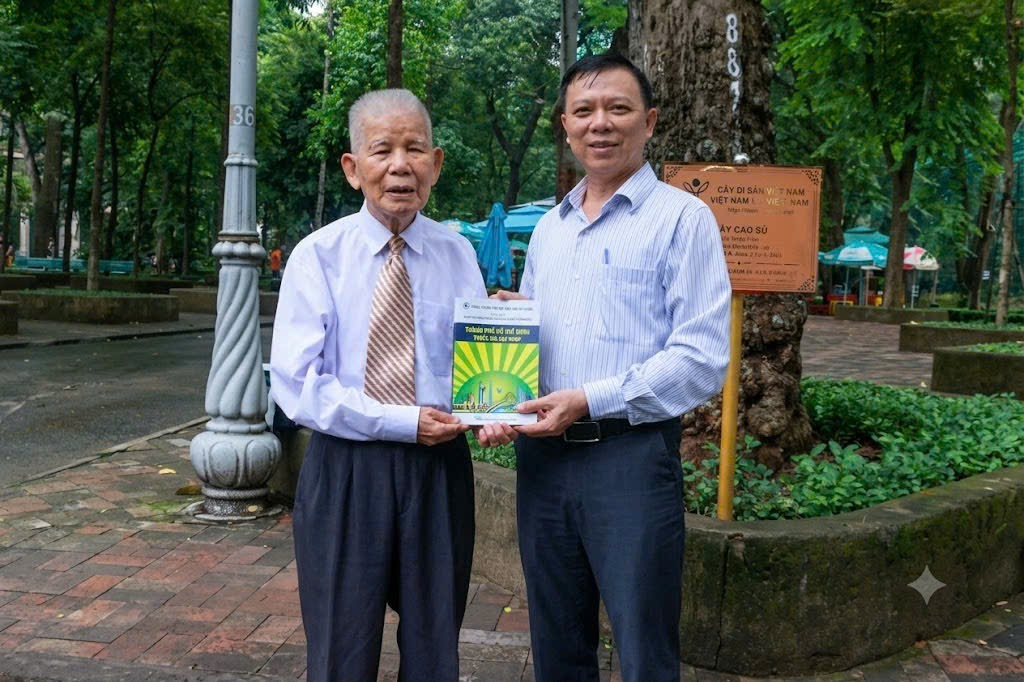
The story of dozens of hundred-year-old trees at the Saigon Zoo and Botanical Garden being honored as Vietnamese Heritage Trees is not just simple cultural news. From the perspective of a cultural learner, the article opens up a cool, soothing green note in the heart of a vibrant city; At the same time, it poses a convincing solution to the problem: How to sustainably preserve heritage without suffocating the rhythm of contemporary life?
Under the lens of Cultural Theory: “Living Heritage” and the role of Cultural Subjects
A basic principle of Cultural Theory asserts: Culture is not an immutable fossil, but a living entity created, nurtured and transmitted by humans.
No matter how splendid an architectural heritage is, if separated from the soul beats of the local residents, it is only a lifeless material shell. On the contrary, the hundred-year-old roots of Mother of Pearl, Pencil, and Chieu Lieu Nuoc at the Saigon Zoo and Botanical Garden are the most vivid embodiment of the concept of “living heritage”. They do not lie in museum glass cases, do not close themselves behind forbidden signs, but continue to spread shade to protect the footsteps of children, the elderly, and tourists from everywhere.
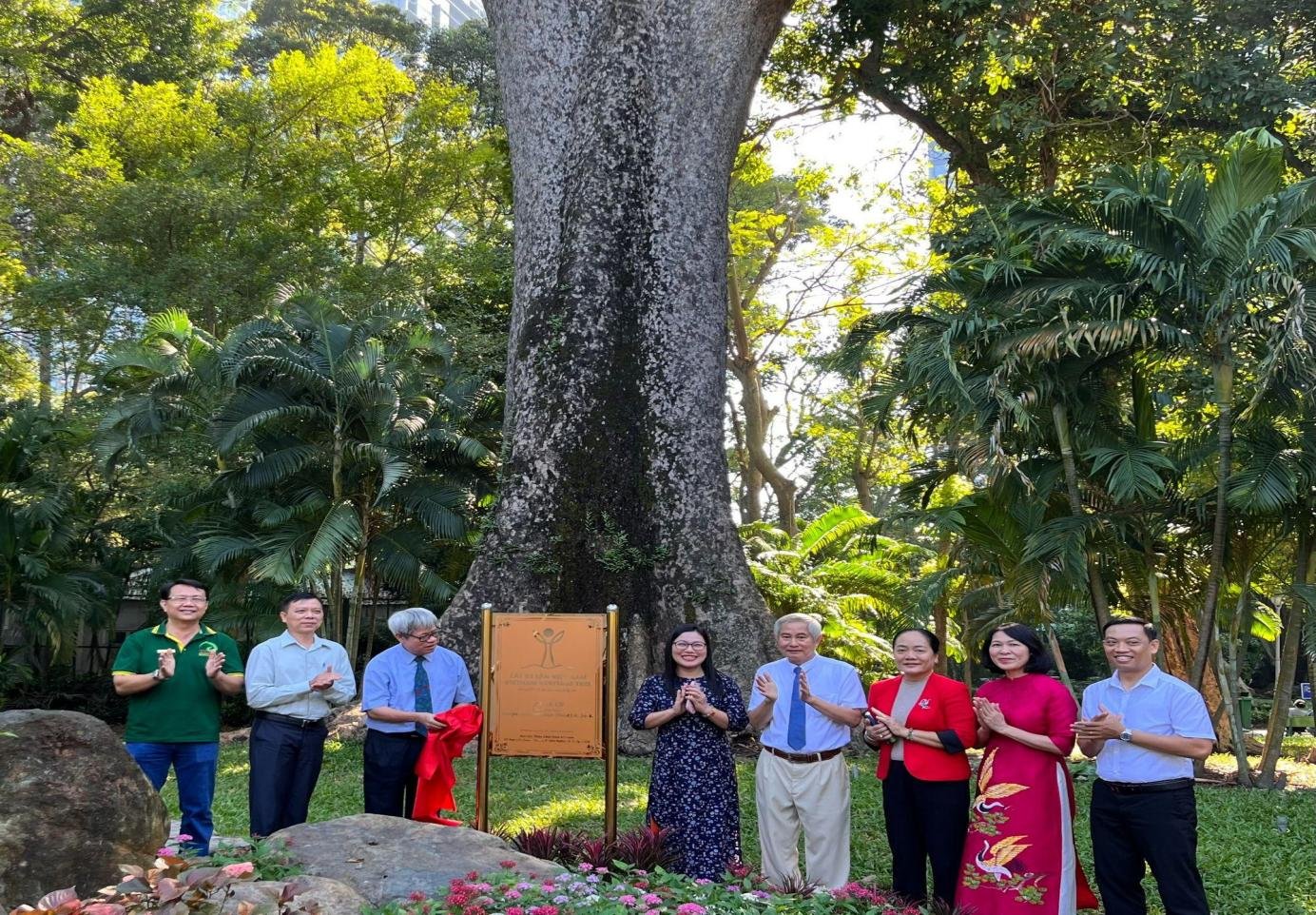
Placing a sign honoring the “Vietnamese Heritage Tree” is not simply an administrative procedure, but from the perspective of Cultural Theory, it is an act of identifying value. Turning a pure plant into a cultural element, where the past and present intersect. When tourists stop to read the information board, the process of “cultural reception” takes place naturally, connecting their souls with the historical sediment layer of the ancient land of Gia Dinh – Saigon in an ecological – humanistic relationship.
“Fear of losing urban memory” and the anchor of memories in the heart of Ho Chi Minh City
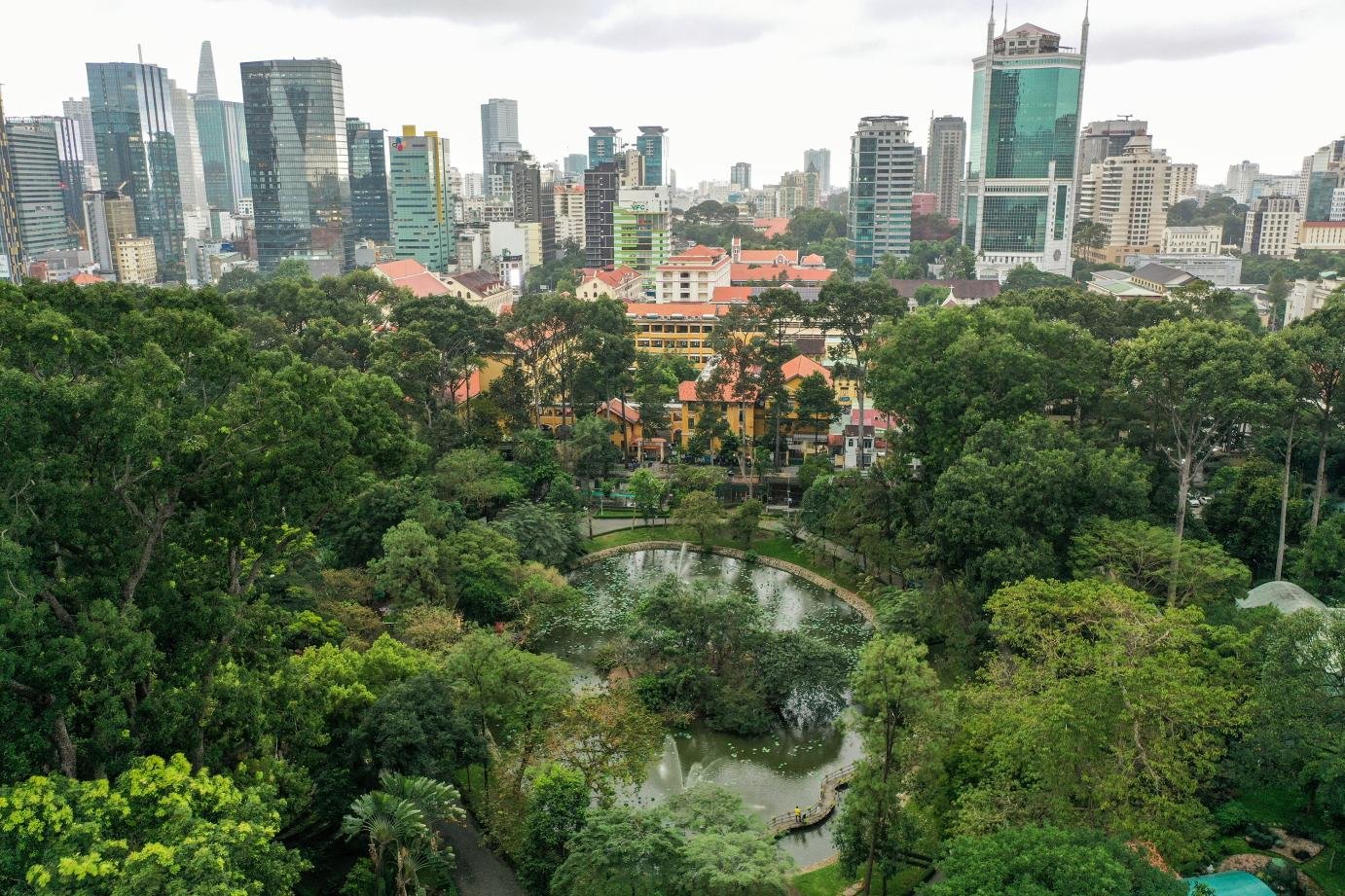
The more we study Cultural Theory, the more we students understand the fragility of urban memory. In the midst of a rapidly transforming Ho Chi Minh City, shiny glass towers rising may represent economic prosperity, but can easily cause people to fall into a state of helplessness and spiritual disorientation – the “urban amnesia” syndrome.
The author of the article in the People’s Army newspaper touched on a profound truth: When an architectural work is degraded, it can be demolished and rebuilt, but once a hundred-year-old tree has fallen, no technology or financial resources can fully recreate its historical value and memory.
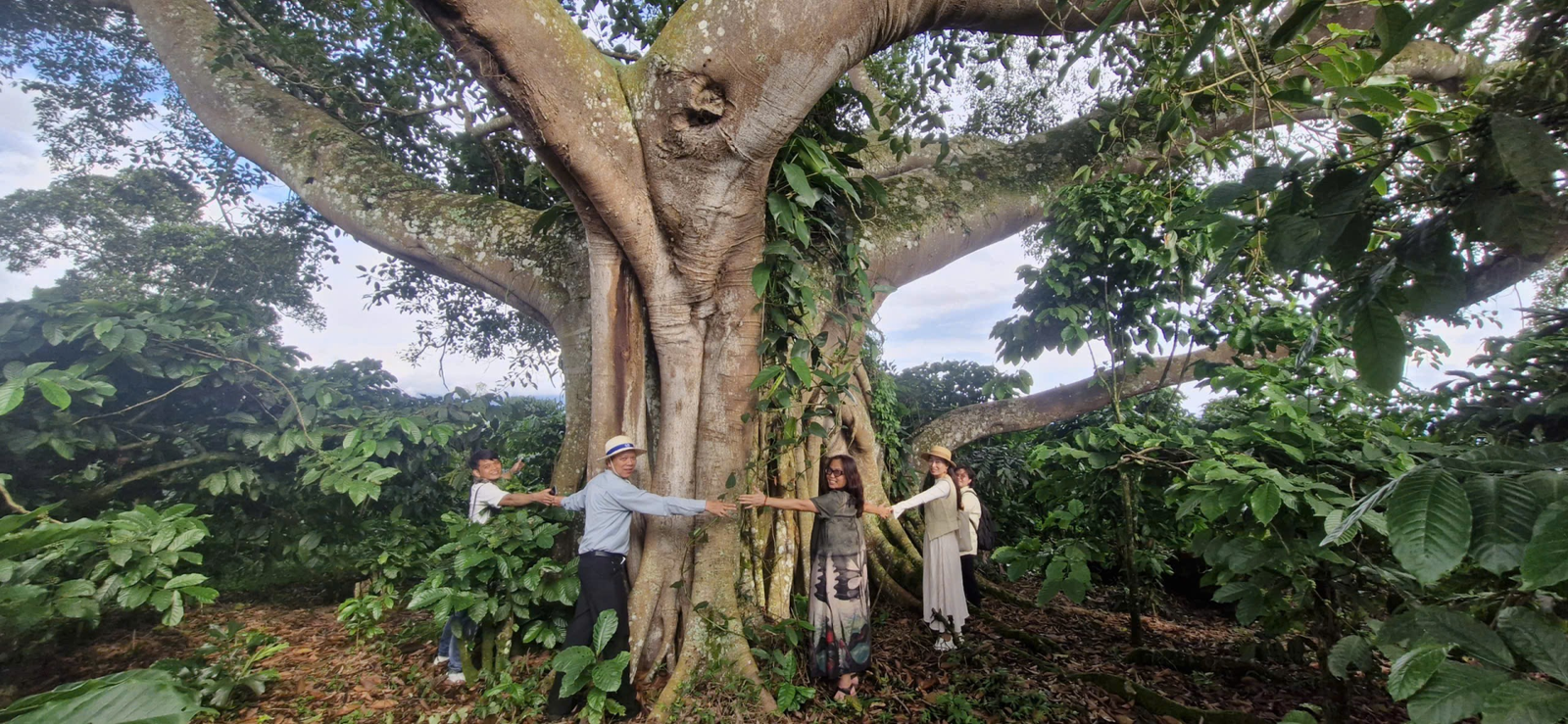
These “living heritage” are the anchors of memory. They keep the city from being swept away in the whirlwind of identityless globalization. Looking at the image of international tourists attentively looking at the ancient tree, we cultural students realized that: Identity does not lie in luxuries, but in the way a community knows how to appreciate and preserve what nature and history have given.
From scientific conservation thinking to Cultural Student Responsibilities
A bright spot in the article of the People’s Army Newspaper is the perspective of sustainable conservation: Receiving the title of Heritage Tree is only the initial recognition, long-term and scientific care and protection so that the “living heritage” continues to grow is the most important task.
The way the Saigon Zoo and Botanical Garden coordinates with scientists and forestry experts to monitor the health and compile management records for each tree is a valuable practical lesson for people working in cultural management. Heritage conservation is not “frozen” or flashy painting, but requires a combination of scientific knowledge, a sense of responsibility and the consensus of the entire society (socialization).
As Culture students, we understand that our mission in the future is not just to stand in the lecture hall or sit in the planning office, but to be a bridge connecting:
Connecting Knowledge and Life: Turn dry theories of Cultural Theory into communication strategies, cultural heritage management, ecology – humanity and sustainability.
Protecting the Cultural Rights of the Community: Ensure that any planning or development project must respect the “emotional bond”, the “Thuan Thien” lifestyle between people and the heritage space.
Awaken Community Consciousness: Help the younger generation understand that protecting heritage is not just a matter for scientists, but is an act of patriotism and preserving one’s own cultural identity.
Conclusion: The fire is passed on to the younger generation
Closing the two articles, the biggest thing that remains in the heart of a cultural student is not only pride in the “living heritage” in the heart of Ho Chi Minh City or concern about the landscape of Hoan Kiem Lake, but an awakening of responsibility.
Cultural Theory has given us eyes to see through the physical shell of the city, to see the soul of the past whispering under the ancient trees. Preserving living heritage has never been a hopeless clinging to the past, but an action that shapes the future with identity.
The ancient trees of the Botanical Garden are still silently growing high, casting a protective shadow for many generations. And our generation of cultural students today vows to be the “gatekeepers of memories”, bringing knowledge and youthful enthusiasm to keep those heritage flows forever green, lasting with the heartbeat of the nation.
Vu Thi Ngoc Thao, Student D25QL173
REFERENCE LIST
Nguyen, T. H. (2026, September 10). Don’t appropriate the heritage value of Hoan Kiem Lake. Post-Archaeology Blog. https://haukhaoco2010.blogspot.com/2026/09/ung-chiem-dung-gia-tri-di-san-cua-ho.html
Nguyen, V. H. N. (2026, September 14). Reflections on the article “Don’t appropriate the heritage value of Hoan Kiem Lake” in connection with the subject Cultural Theory. Xudua.
Pham, N. T. (2012). Cultural Theory Textbook. Truth National Political Publishing House.
Thanh Xuan. (2026, September 13). Preserving “living heritage” in the heart of Ho Chi Minh City Chi Minh. People’s Army Newspaper. https://www.qdnd.vn/van-hoa/doi-song/bao-ton-nhung-di-san-song-giua-long-tp-ho-chi-minh-1056812