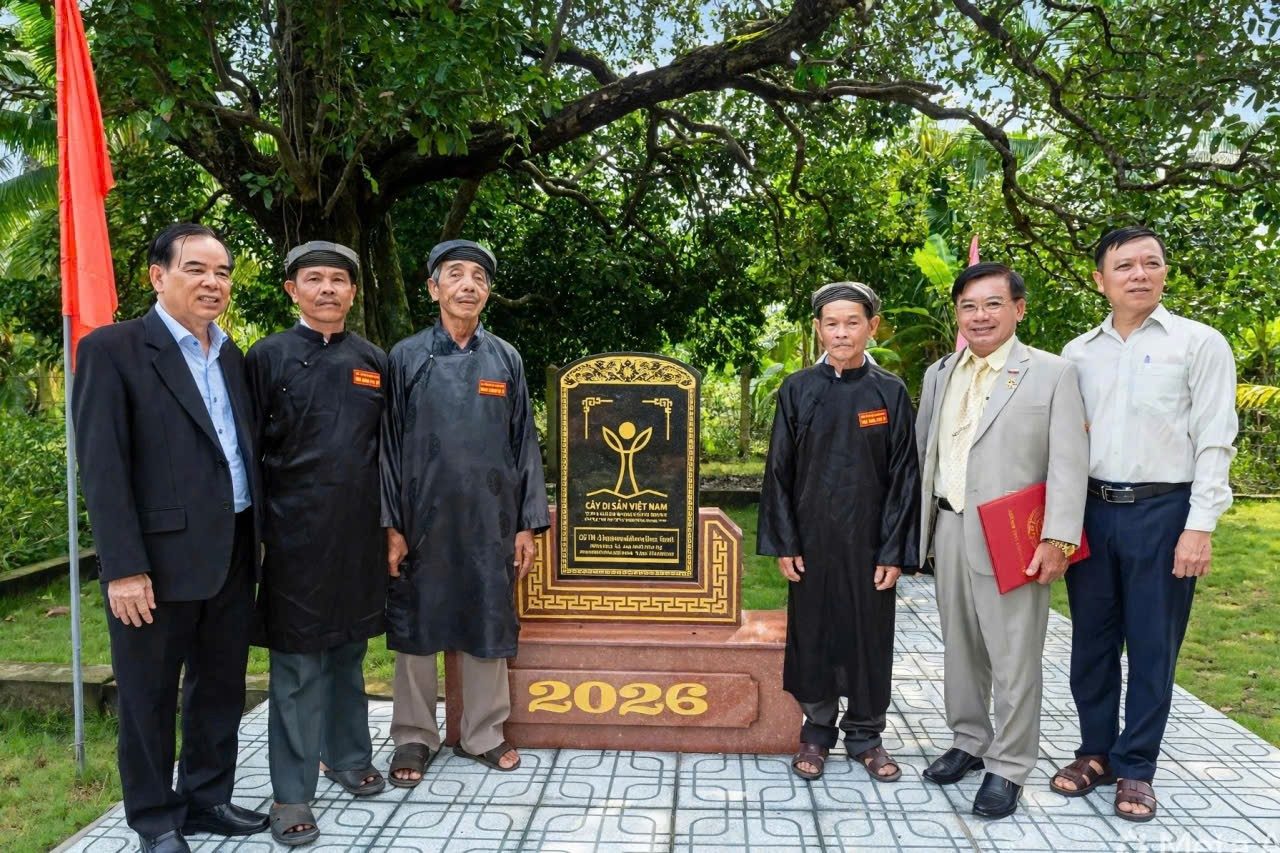
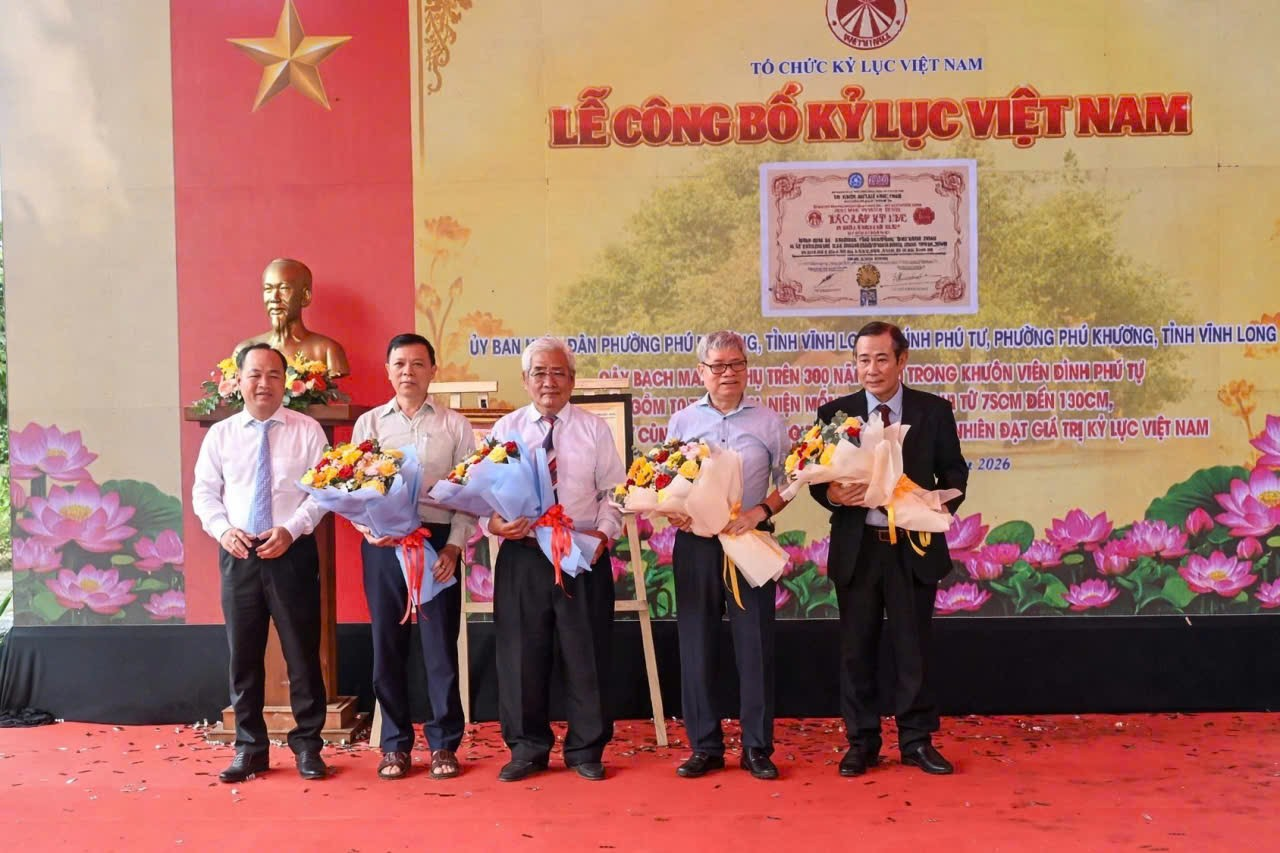
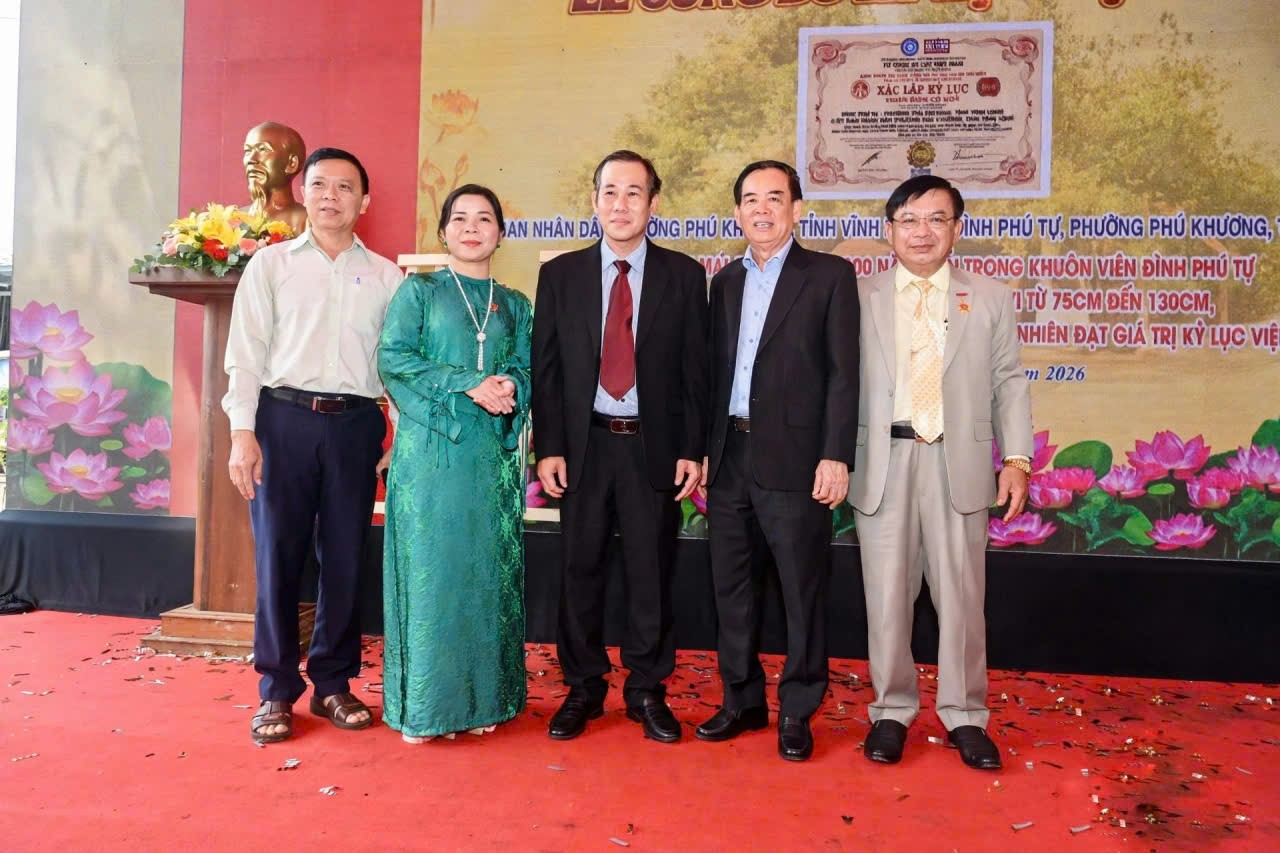
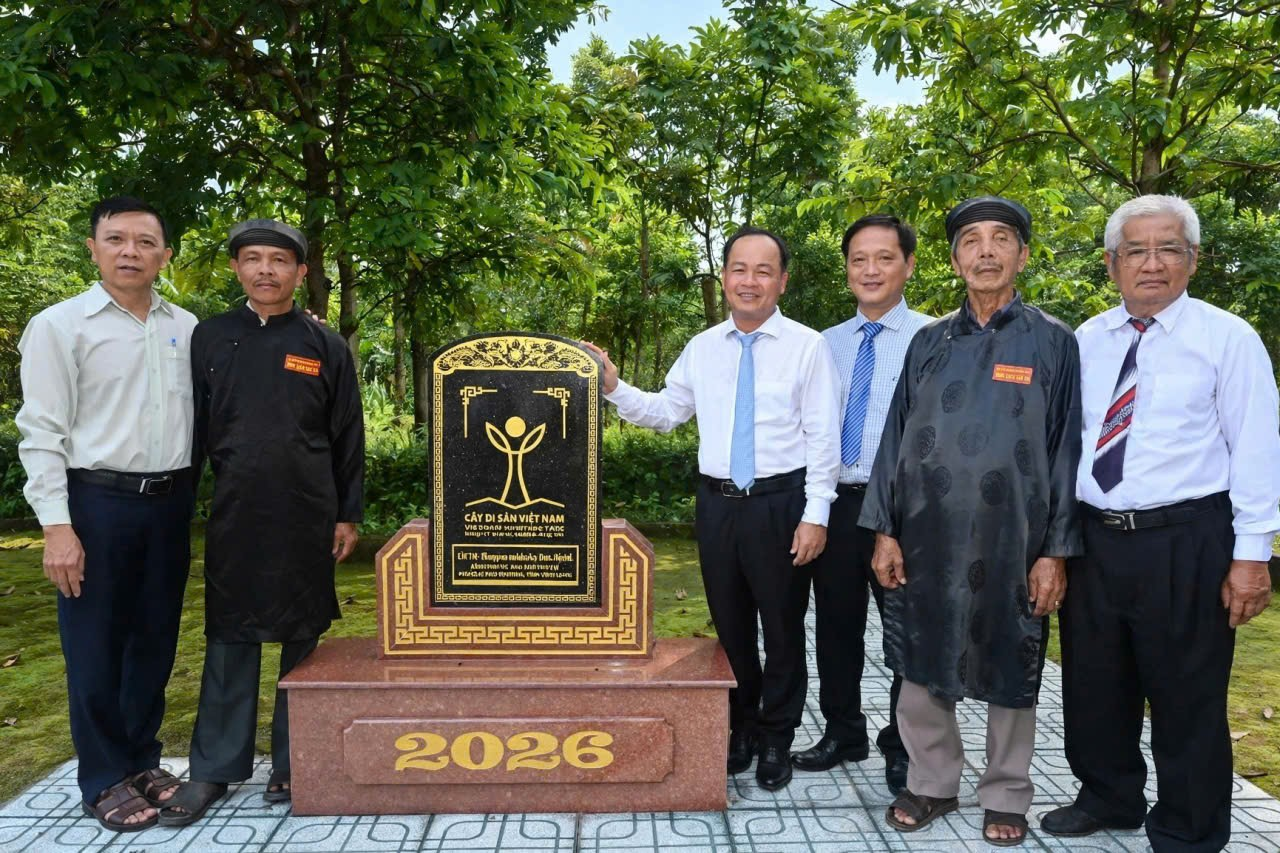
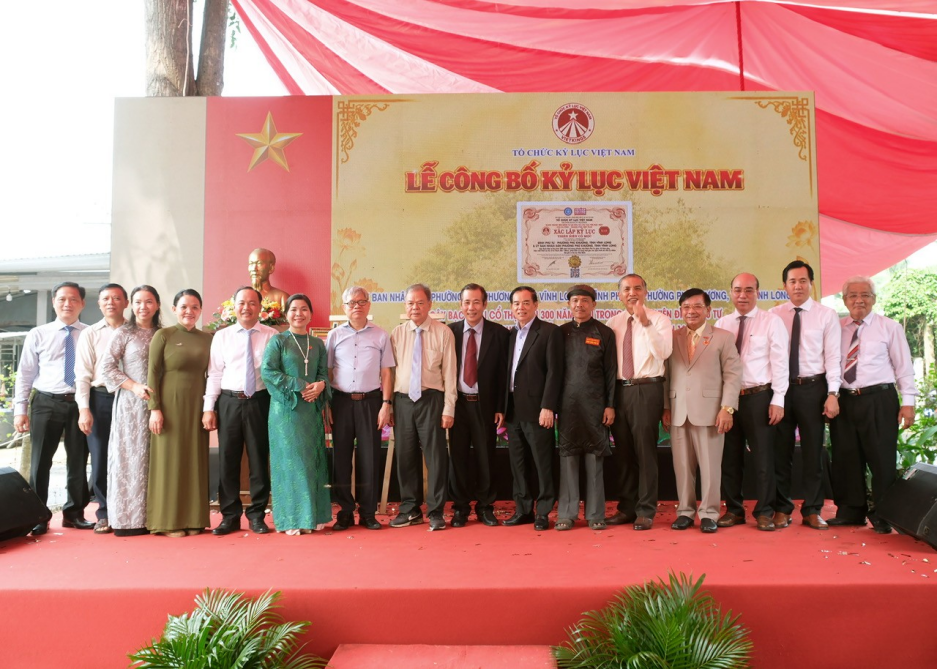
On the morning of September 15, 2026, the People’s Committee of Phú Khương Ward, Vĩnh Long Province, held a ceremony to receive official Vietnam Heritage Tree certificates for a star fruit tree and a gold apple tree. The event also marked the official announcement of a national record naming the 300-year-old white ochna tree at Phú Tự Communal House a “Millennial Sacred Tree.”
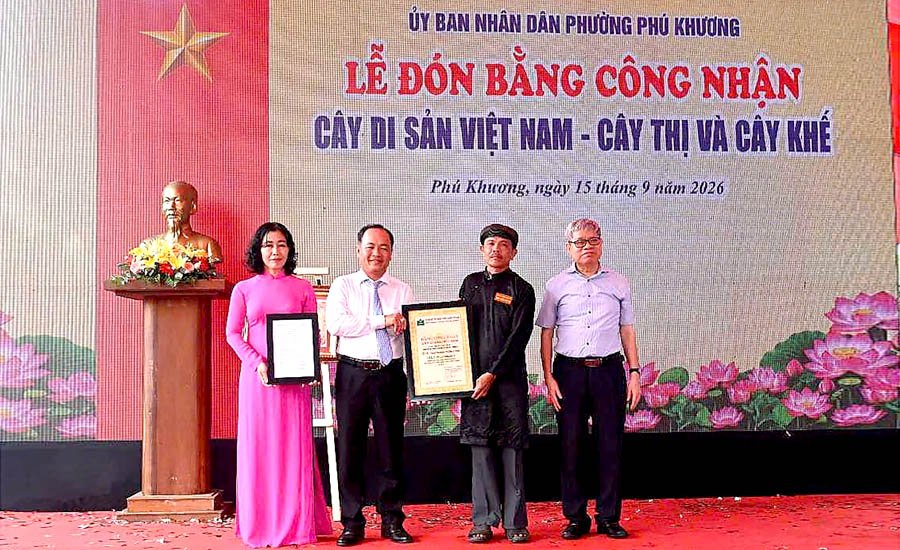
According to the nomination dossier compiled by the Cultural and Social Affairs Office of Phú Khương Ward—with academic support from the Heritage Tree Research Group at Ho Chi Minh City University of Culture—both the gold apple tree (Diospyros malabarica (Desr.) Kostel.) and star fruit tree (Averrhoa carambola L.) are over 200 years old. They were formally recognized as Vietnam Heritage Trees by the Vietnam Association for Conservation of Nature and Environment (VACNE) under Decision No. 157/QĐ-HMTg on September 4, 2026. Concurrently, the 300-year-old white ochna tree at Phú Tự Communal House—first designated a Heritage Tree in 2014—was officially granted a Vietnam National Record title as a “Millennial Sacred Tree,” honoring an ancient icon deeply entwined with the region’s history and community heritage.
The white ochna tree at Phú Tự Communal House is one of only two or three surviving ancient white ochna trees in southern Vietnam and across the country. Historical research indicates the tree is over 300 years old, dating back to the arrival of the first settlers from the Ngũ Quảng region who reclaimed land and established hamlets in historical Bến Tre and present-day Vĩnh Long. Known locally by various revered names—including Mai Khê, Nam Mai, Mai Mù U, Thần Mai, and Cội Bạch Mai—this rare species differs significantly from the yellow ochna ubiquitous across southern Vietnam. Uniquely, it naturally sheds its leaves before blooming without human intervention. Around the Lantern Festival (Tết Nguyên Tiêu), clusters of thick, four-petaled pure white blossoms with yellow stamens burst into bloom, filling the air around Phú Tự Communal House with a delicate fragrance.
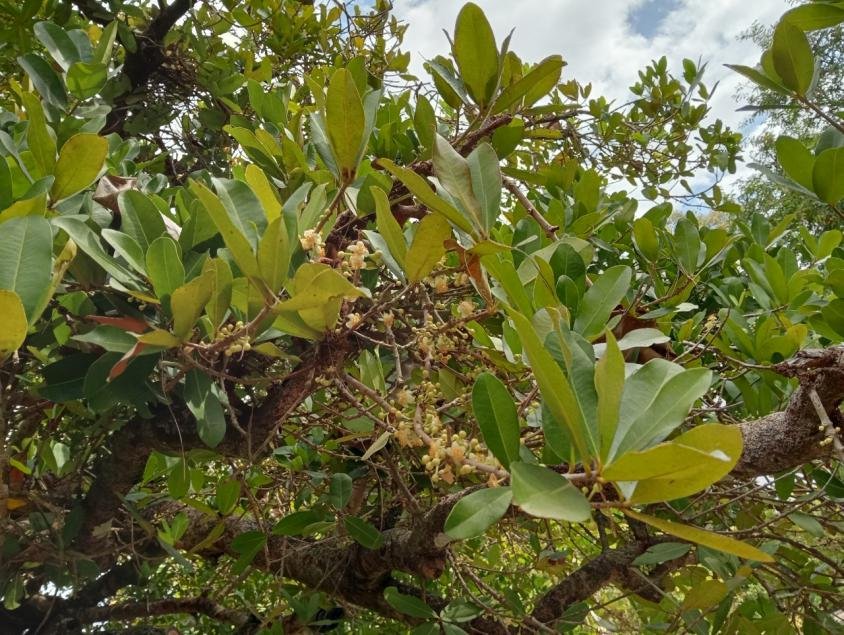
Every year during the Lantern Festival on the full moon of the first lunar month, the white ochna bursts into brilliant bloom. Locals traditionally gather the fallen petals to brew aromatic tea or infuse wine. (Photo: Supplied)
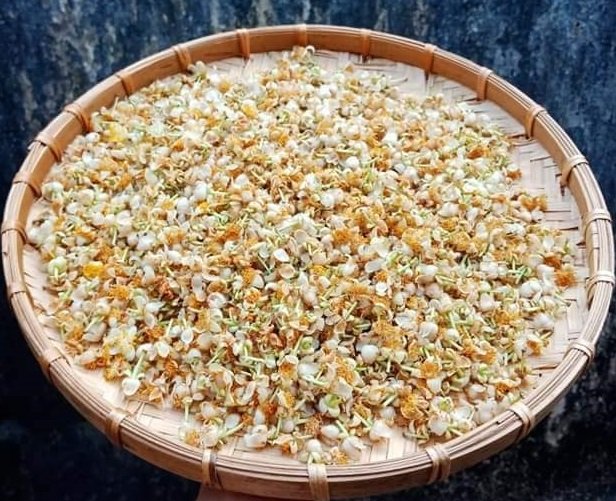
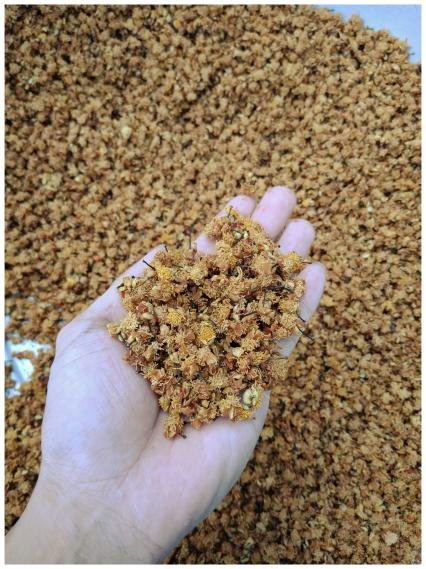
White ochna blossoms. Photo: Bến Tre STT Group
The most remarkable feature of the white ochna at Phú Tự Communal House lies in its incredible resilience and natural regeneration. Originally growing from a single main trunk, the tree has weathered more than three centuries of ecological and historical turmoil. Historical records document that a severe typhoon in 1952 snapped the primary trunk. Over time, nine secondary trunks sprouted from the original rootstock. These sturdy trunks thrived, creating a striking multi-stemmed structure that locals likened to the “Nine Dragons” (*Cửu Long*) symbolizing the Mekong Delta. Today, the tree boasts 10 secondary trunks sprouting from its single base, each measuring 75 cm to 130 cm in circumference, alongside dozens of smaller branches.
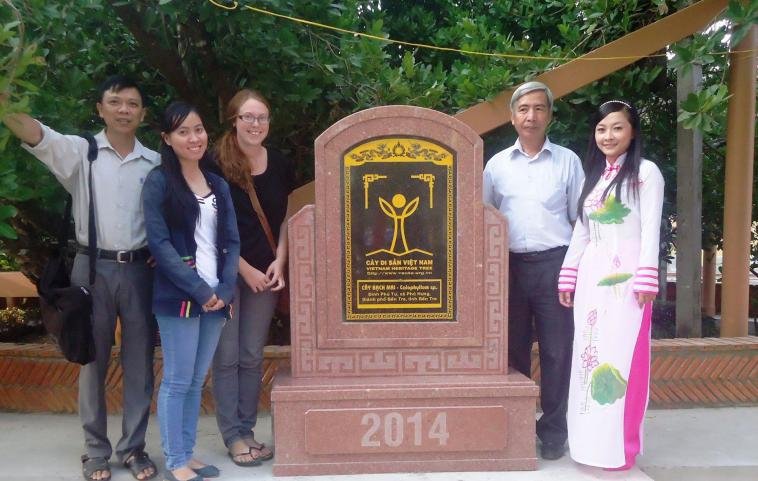
The white ochna’s enduring vitality was further tested through decades of war, as the communal house grounds sat in contested territory and frequently endured the fierce ravages of conflict.
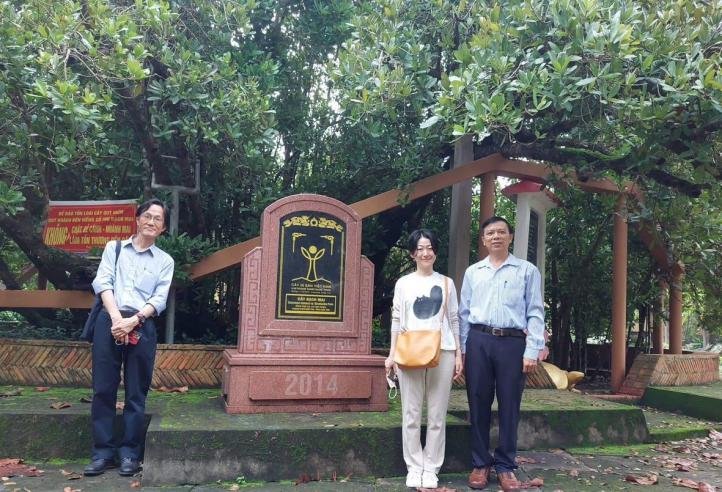
According to local residents, three firebombs struck the area around Phú Tự Communal House during the war in 1968. Remarkably, the ancient Bạch Mai tree suffered only scorched foliage before rebounding with even greater vigor. Amidst fierce storms, environmental shifts, and wartime destruction, the tree’s extraordinary resilience and rebirth have made it an enduring symbol—a living witness to the history of the Phú Tự region.
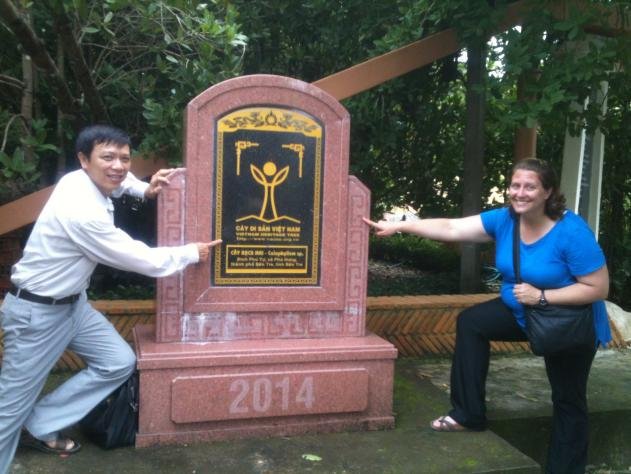
Beyond its biological and historical value, the Bạch Mai tree is deeply woven into local cultural and spiritual life. In 1994, Bến Tre writers and poets named their literary society the “Bạch Mai Poetry Club.” In 2000, a commemorative stele, the “Bạch Mai Bi Ký,” was erected at its base to chronicle the history of the 300-plus-year-old tree. Furthermore, starting in 2001, on the Lantern Festival (the 15th day of the first lunar month), the Nguyễn Đình Chiểu Literature and Arts Association began hosting Vietnam Poetry Day in the courtyard of Phú Tự Communal House, beneath the ancient canopy.
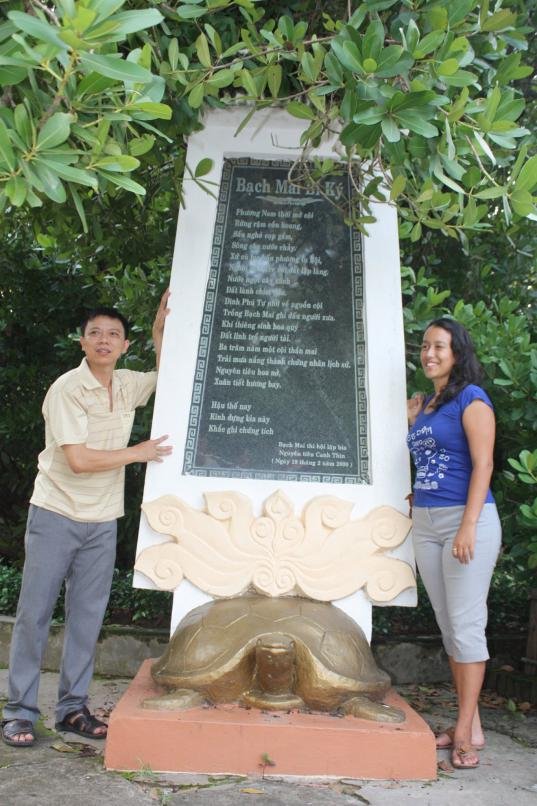
Building on its designation as a Vietnam Heritage Tree, the Bạch Mai tree achieved a milestone Vietnam Record, becoming the first Heritage Tree in the southern region to be officially certified as a “Millennium Ancient Tree.”
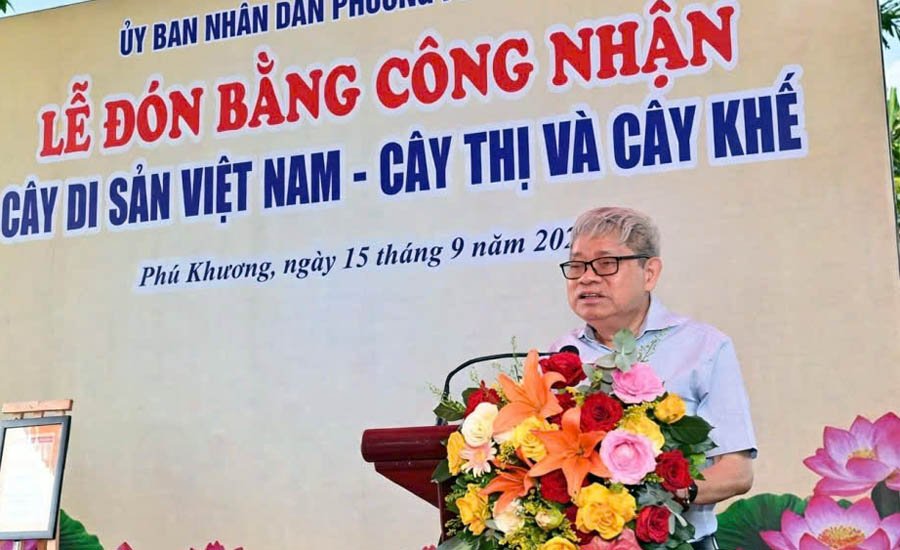
Speaking at the ceremony, Assoc. Prof. Dr. Phùng Chí Sỹ, Vice President of the Vietnam Association for Conservation of Nature and Environment, stressed: “…recognizing the *Thị* (gold apple) and *Khế* (star fruit) trees is not only vital for biodiversity conservation and environmental protection, but also reflects deep appreciation and gratitude to previous generations who planted, cared for, and preserved these precious trees for us and future generations.”
Assoc. Prof. Dr. Phùng Chí Sỹ noted that ancient trees are intimately bound to a community’s lore, memories, and daily life. Recognizing an ancient tree as a Vietnam Heritage Tree extends beyond protecting an individual specimen; it safeguards a piece of local history, culture, and collective memory while inspiring community pride and environmental responsibility.
The event carried special resonance for Phú Tự Communal House. Assoc. Prof. Dr. Phùng Chí Sỹ fondly recalled visiting 12 years ago, in 2014, to present the Vietnam Heritage Tree certificate for the Bạch Mai tree. Today, twelve years later, he expressed delight at returning to award the same certification to the site’s ancient *Thị* and *Khế* trees.
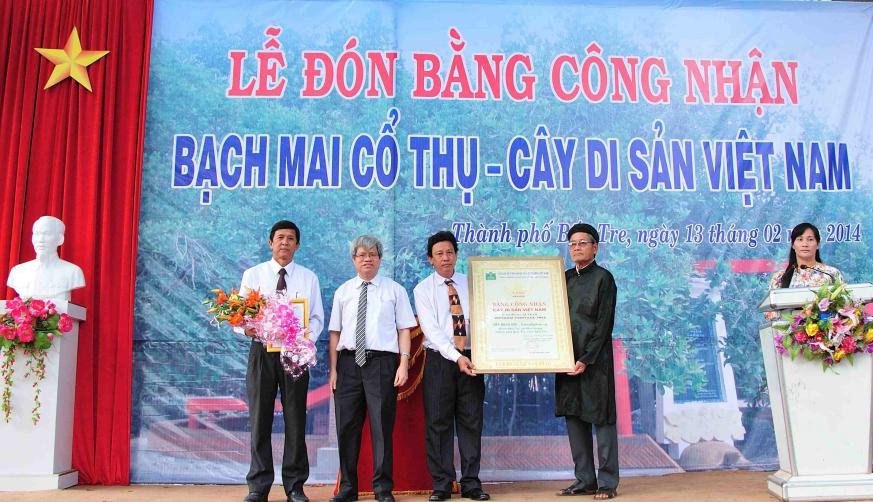
“This highlights the dedicated effort of local authorities and residents to preserve ancient trees linked to our cultural heritage. I believe these will serve as valuable ‘green landmarks,’ beautifying the landscape and adding to the sacred charm of Phú Tự Communal House,” Sỹ said. With the Bạch Mai tree setting a national record as a “Millennium Ancient Tree” alongside the newly certified *Thị* and *Khế* trees, Phú Tự Communal House now hosts a prestigious cluster of heritage trees. These living witnesses to history serve as a hub for tourism, heritage education, scientific research, and eco-experiences.
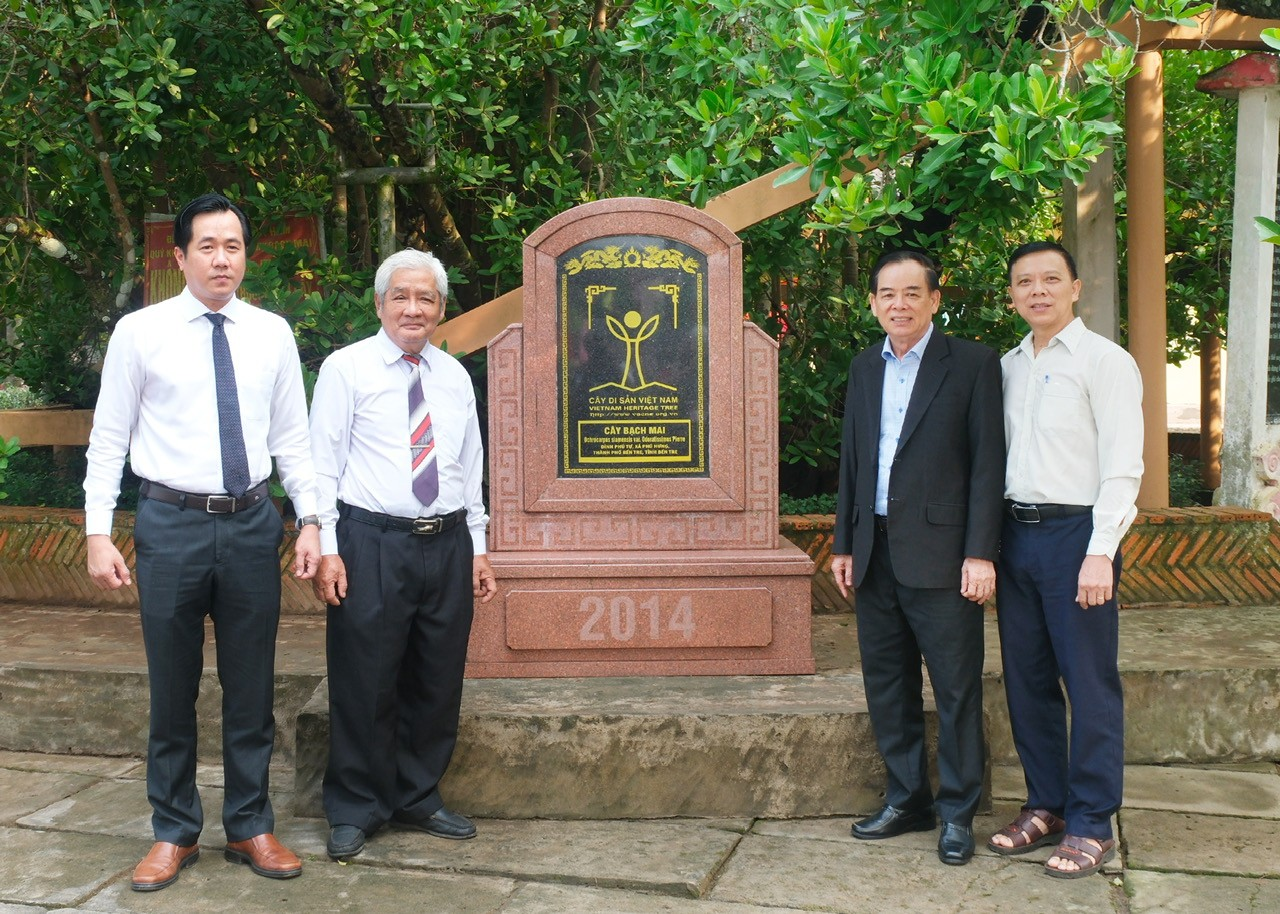
According to the organizing committee, settlers established homes and reclaimed land in present-day Phú Khương in the mid-18th century. Phú Tự Communal House, dedicated to the tutelary deity, was built and officially consecrated in 1910. The communal house and its ancient Bạch Mai tree were previously designated a provincial historical and cultural monument by the Bến Tre Provincial People’s Committee, recognized for their architectural art and folk spiritual value.
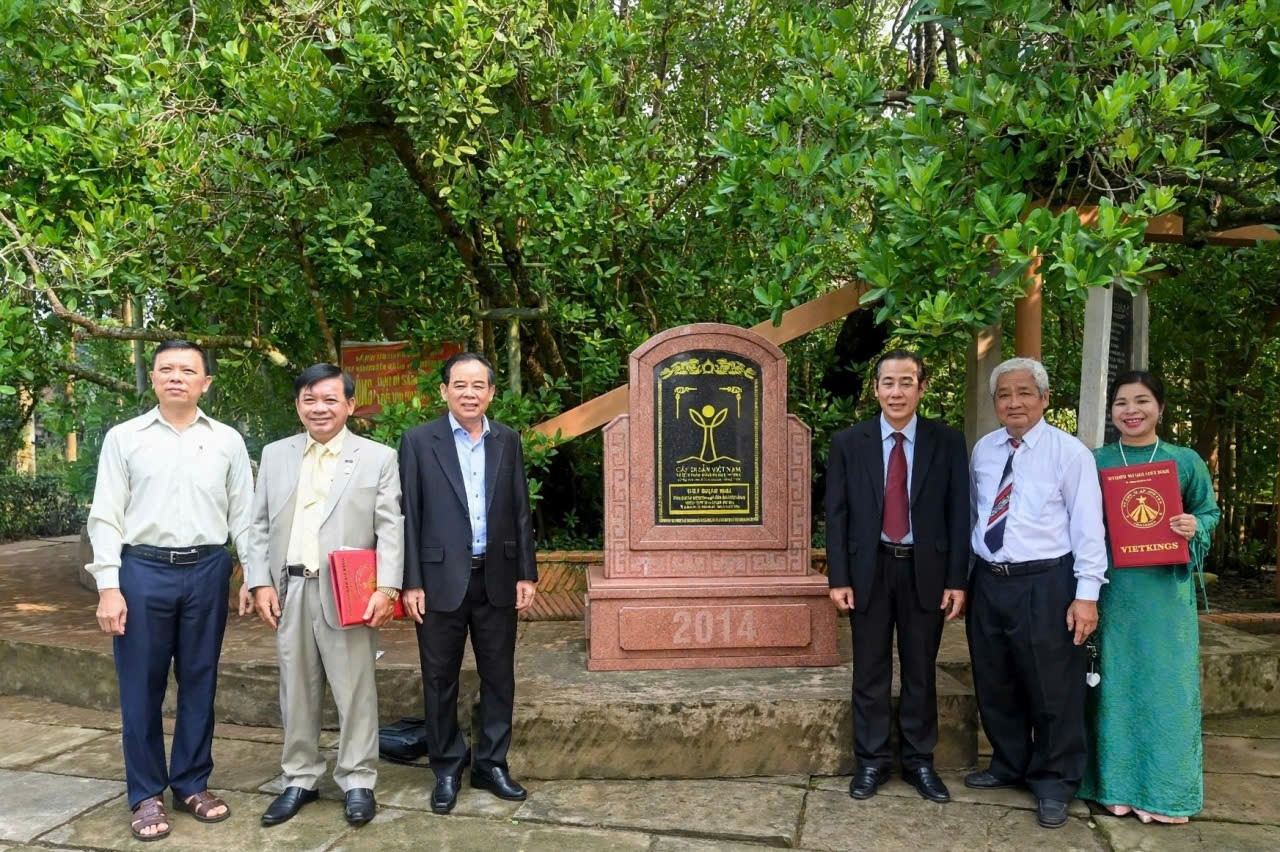
Photo: Organizers
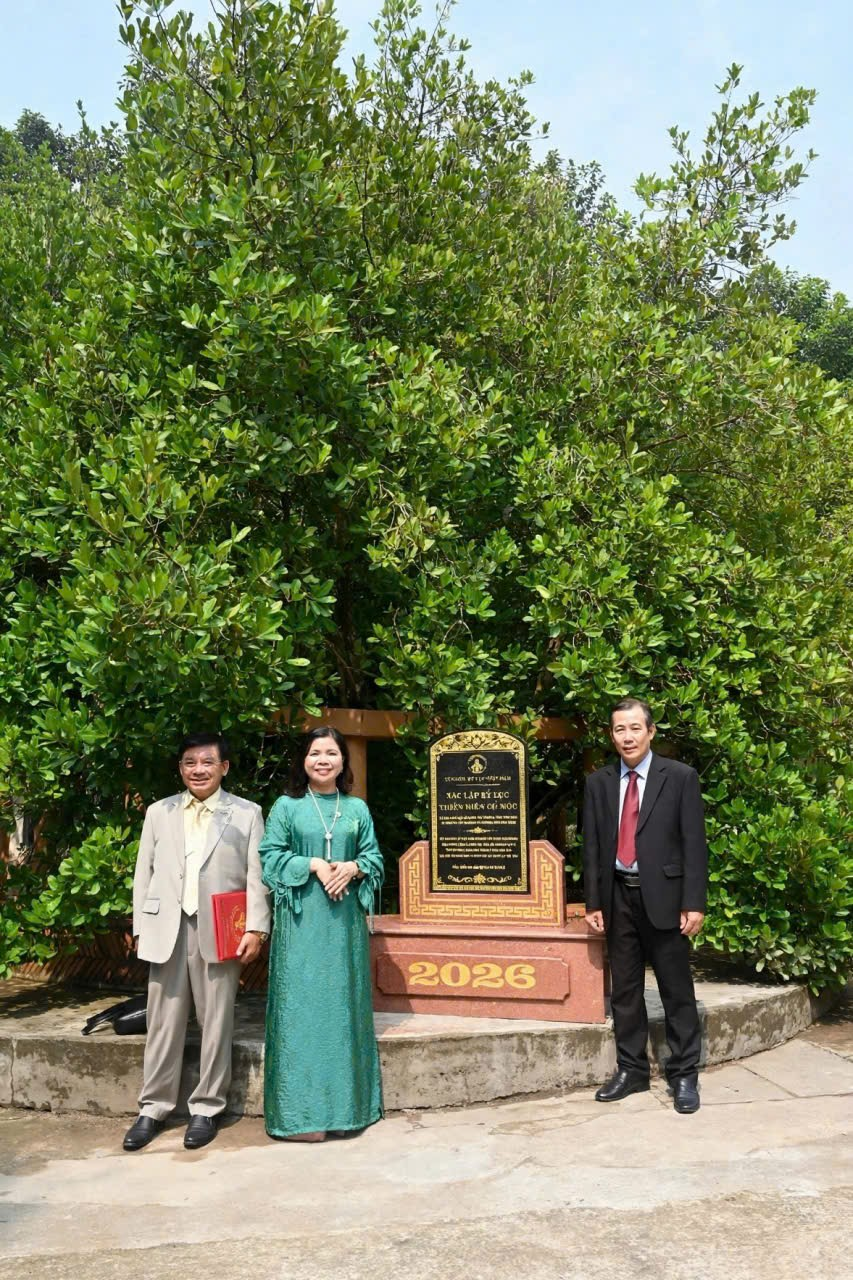
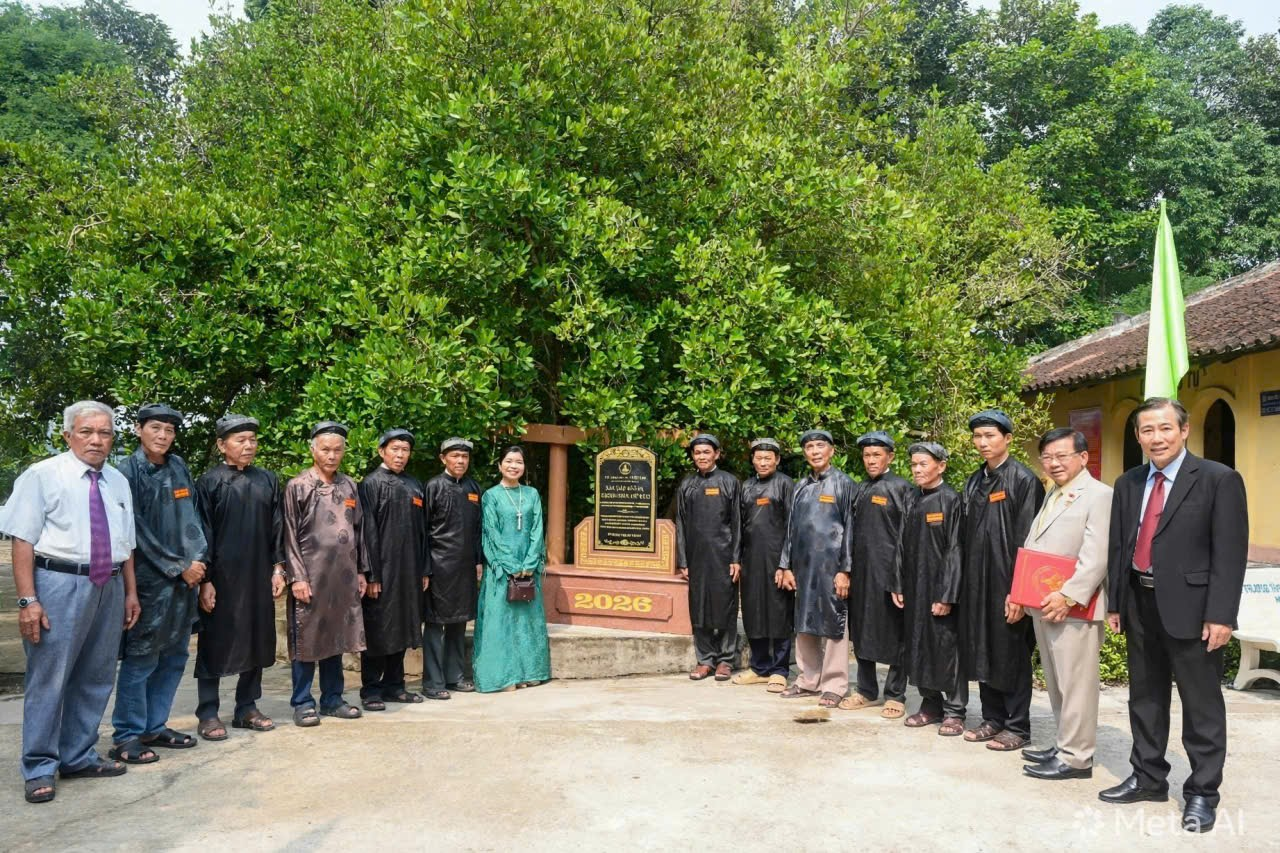
Standing in front of the communal house is the 300-plus-year-old Bạch Mai tree, while behind it stand the *Khế* and *Thị* trees, both over 200 years old. Across generations, these ancient trees have not only enriched the green landscape and ecological value of the grounds, but have also become deeply rooted in the cultural, historical, and spiritual life of the community.
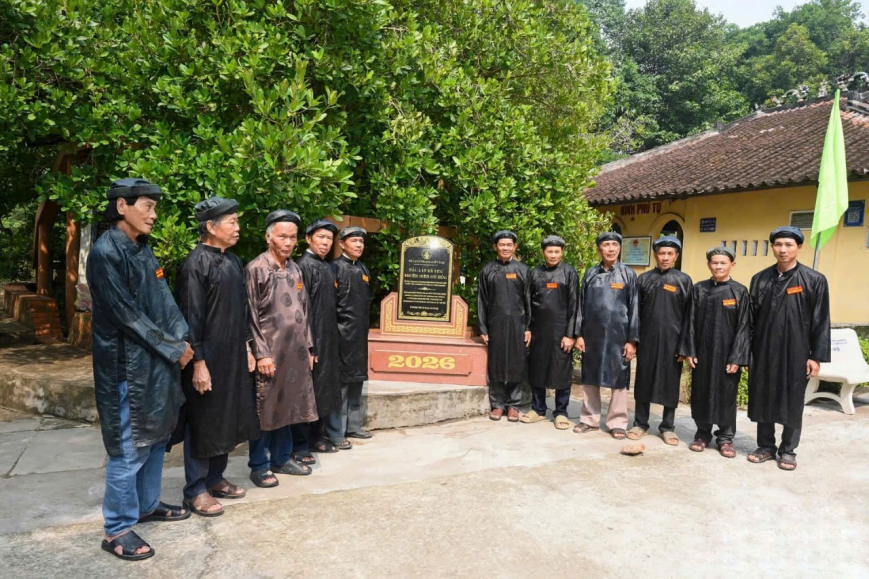
Photo: Organizers
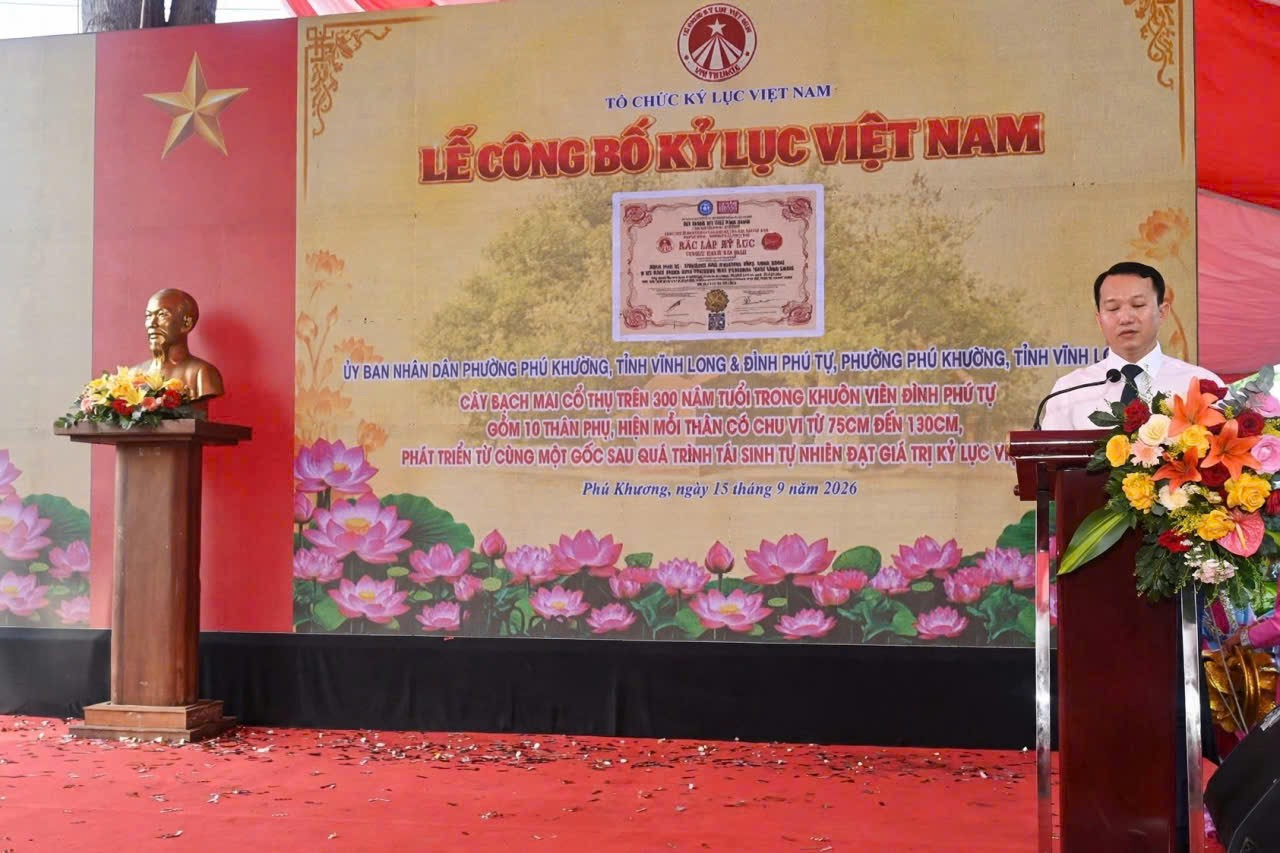
In his address, Hồ Phước Hưng, Chairman of the Phú Khương Ward People’s Committee, emphasized that local authorities consistently prioritize environmental protection and green canopy care. He noted that conserving the ancient trees at Phú Tự Communal House goes beyond environmental stewardship—it preserves cultural heritage and intergenerational memories. Expressing gratitude to past generations, Hưng called on residents to build upon these achievements, developing the Phú Tự heritage tree cluster into an attractive tourist landmark. Local authorities hope this unique natural asset, combined with the site’s rich historical and cultural identity, will draw visitors and support regional economic development through new travel itineraries.
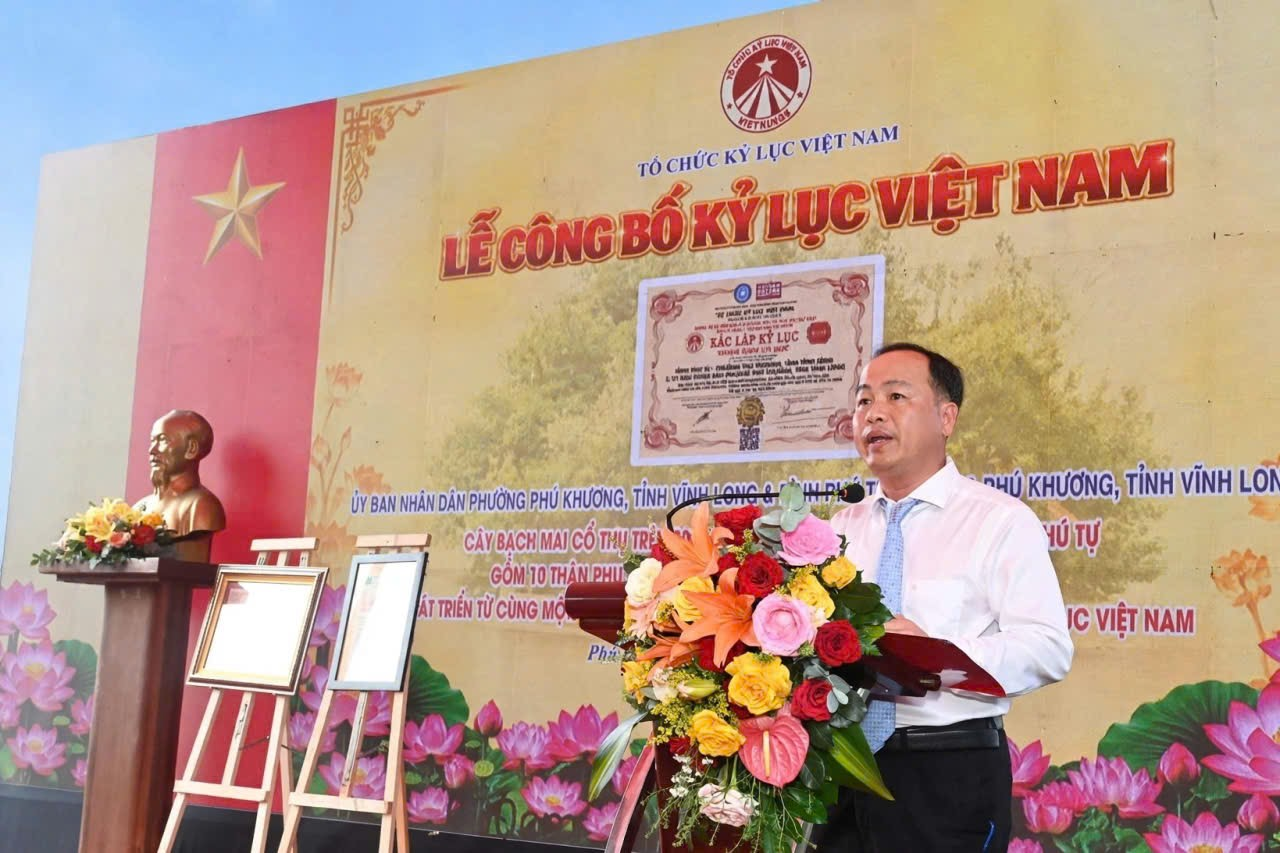
Photo: Bến Tre STT Group
On the sidelines of the event, Dr. Phạm Văn Luân, head of the Tourism Research Team at Ho Chi Minh City University of Culture, outlined potential research initiatives to develop specialty commercial products from the Bạch Mai tree. In collaboration with Ho Chi Minh City-based An Nhơm Tea, the initiative aims to commercialize “Bạch Mai Tea,” introducing a rare regional specialty steeped in cultural, health, and spiritual value.
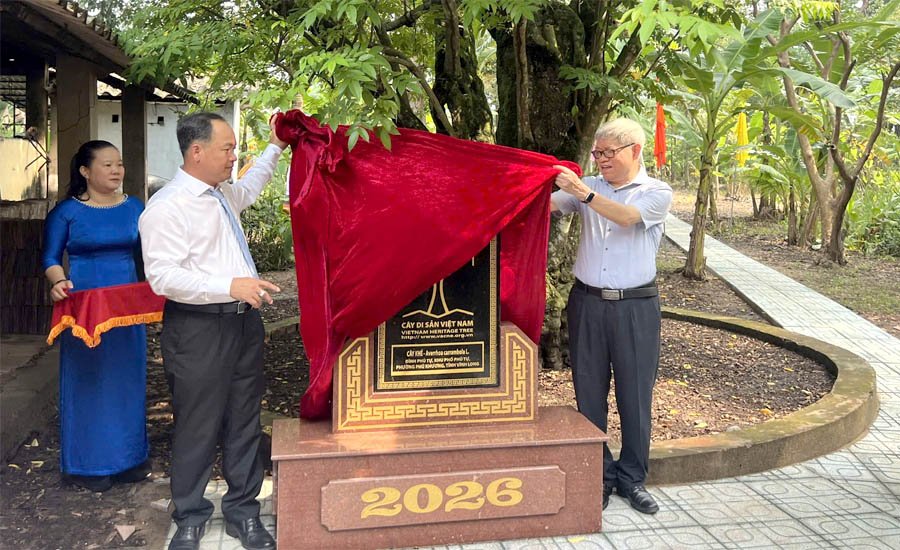
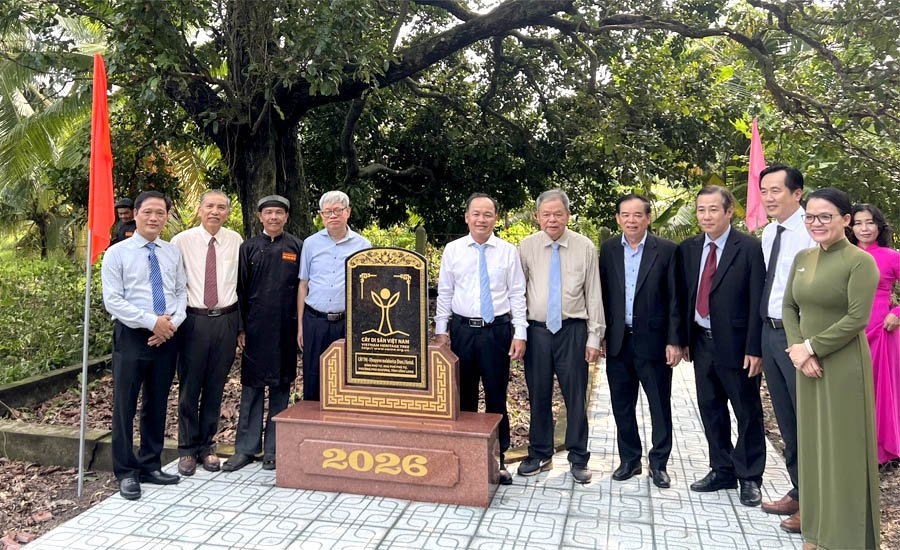
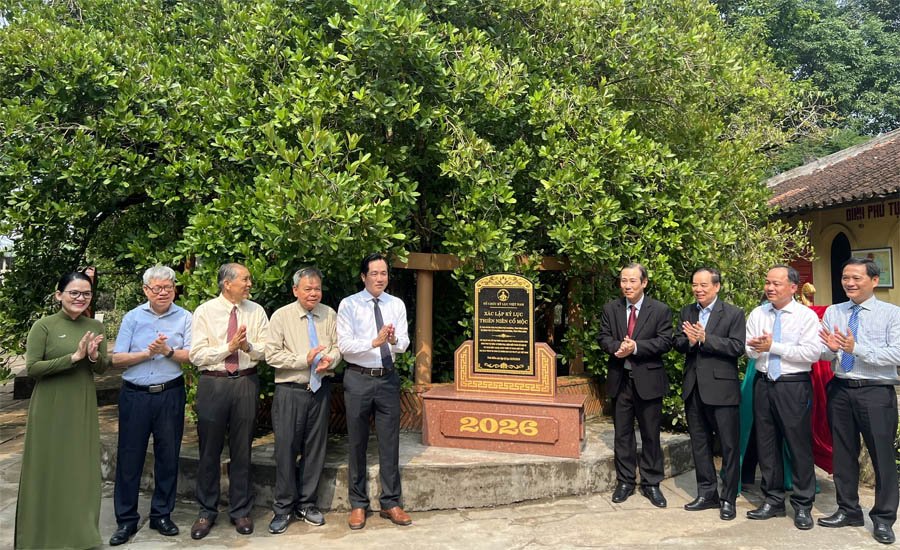
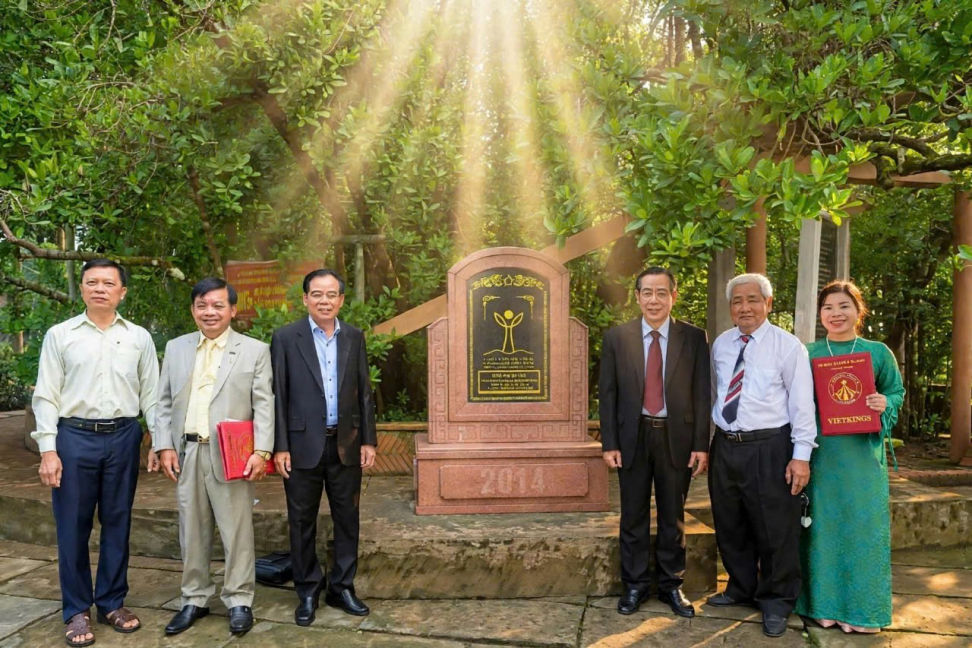
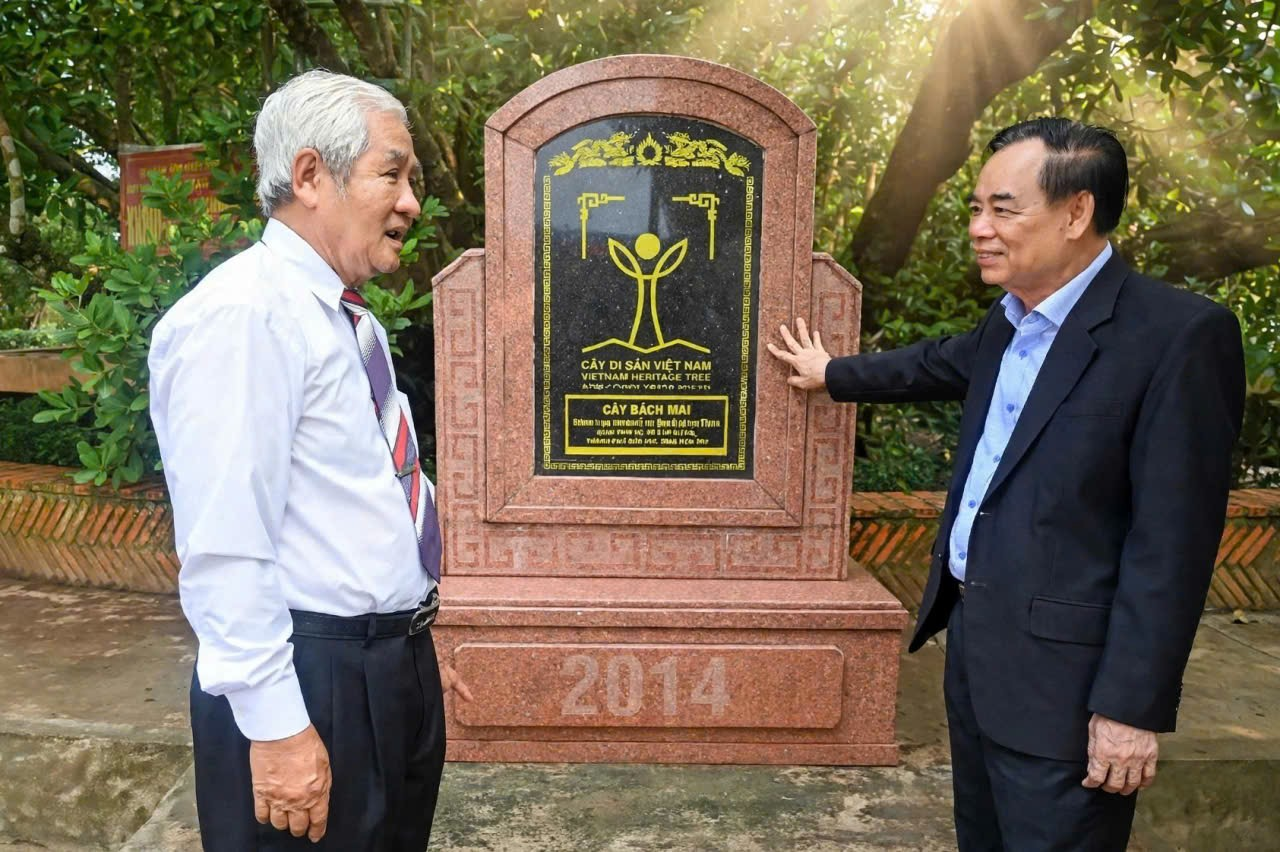
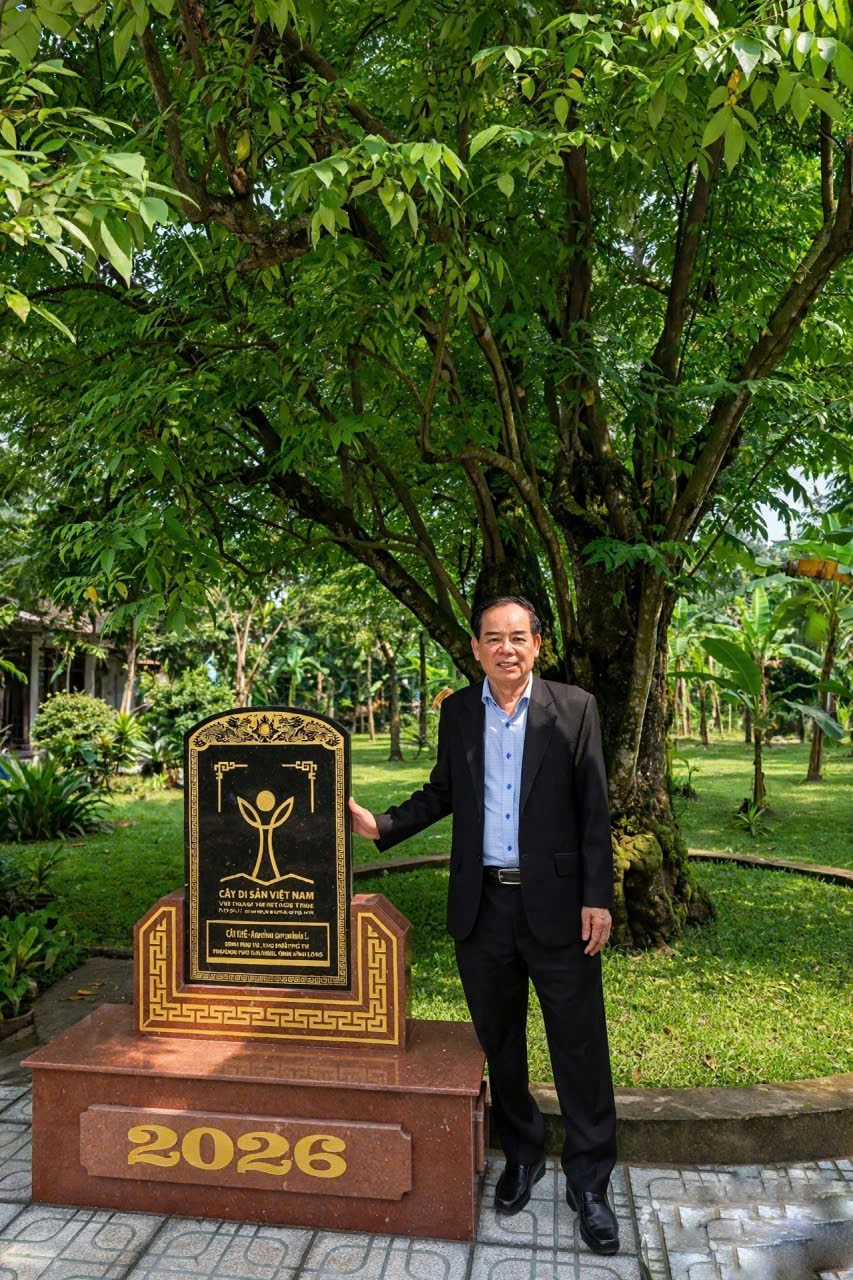
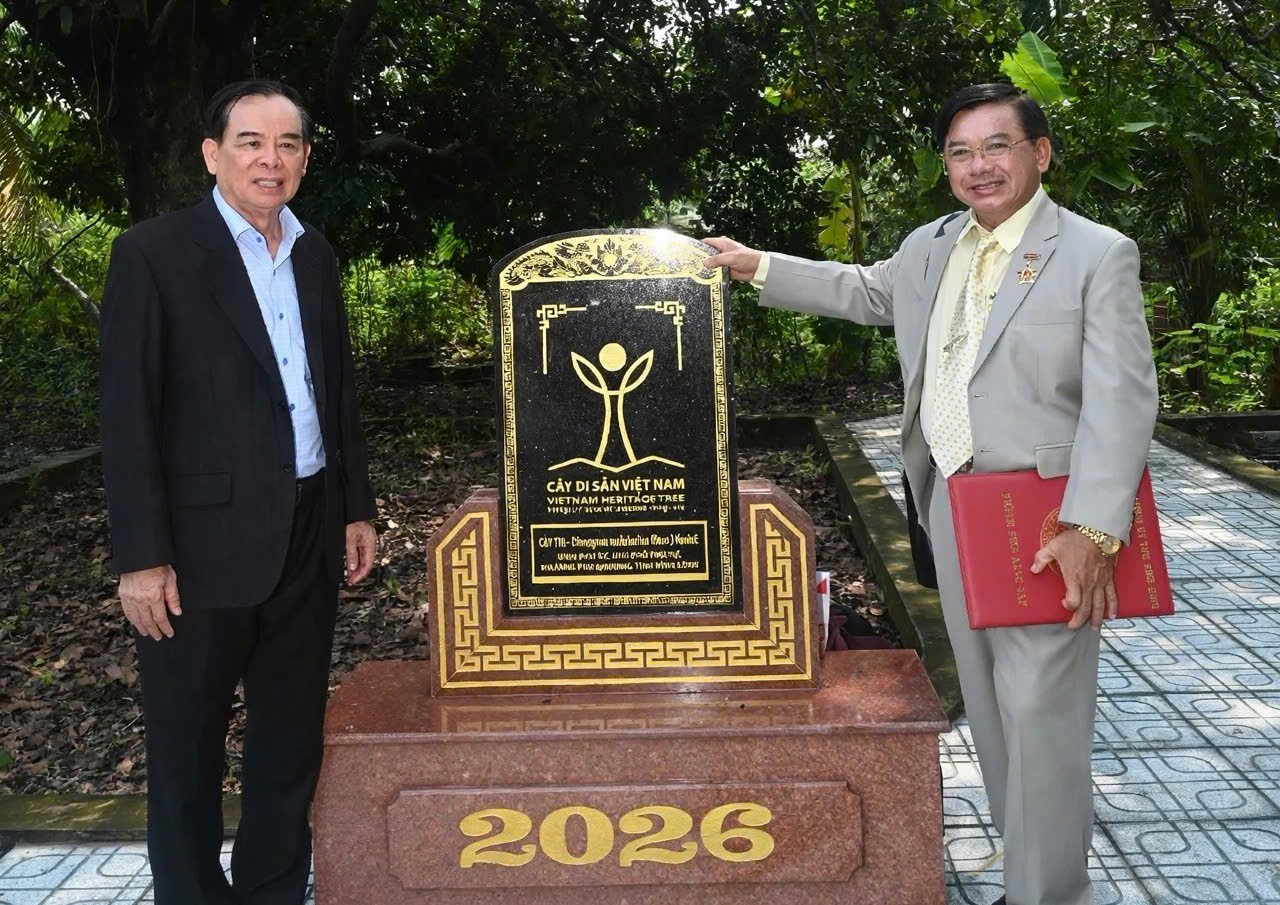
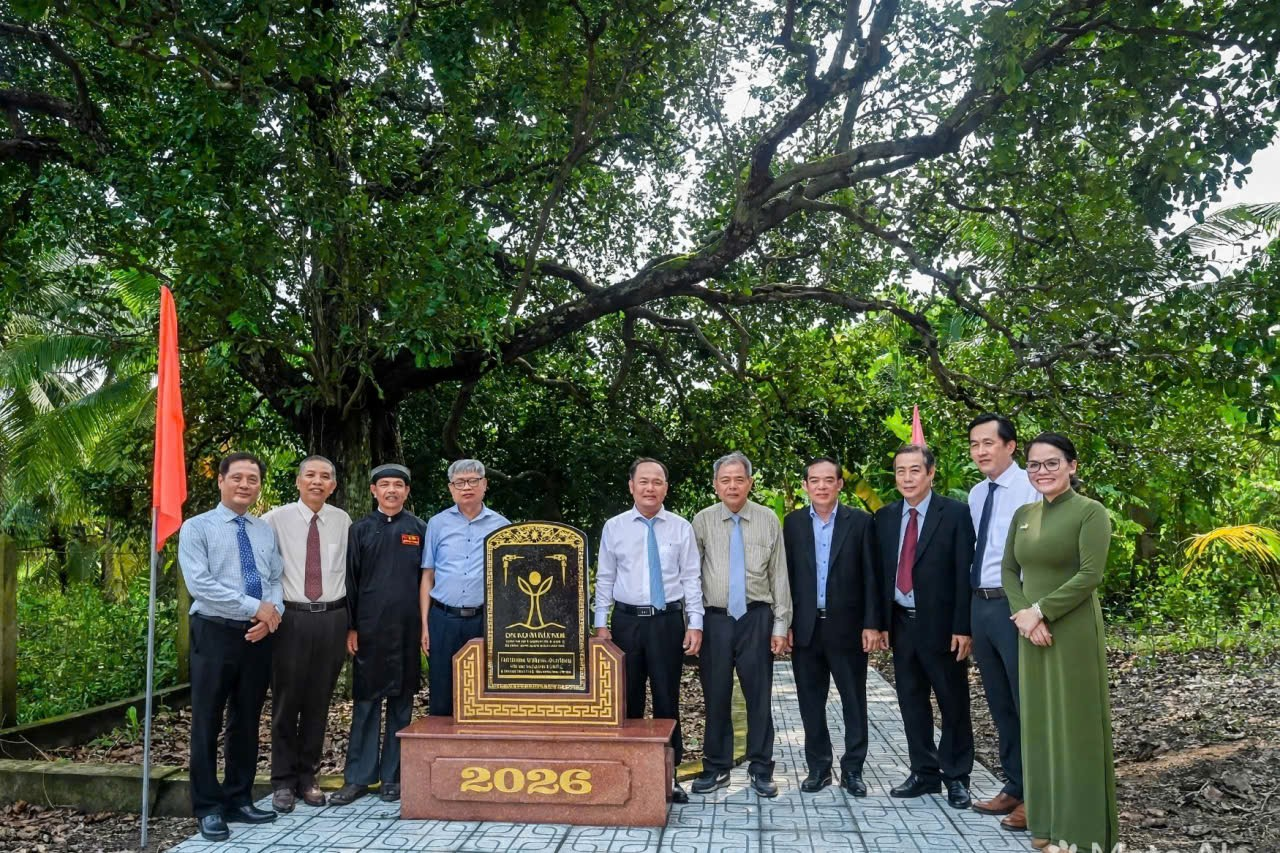
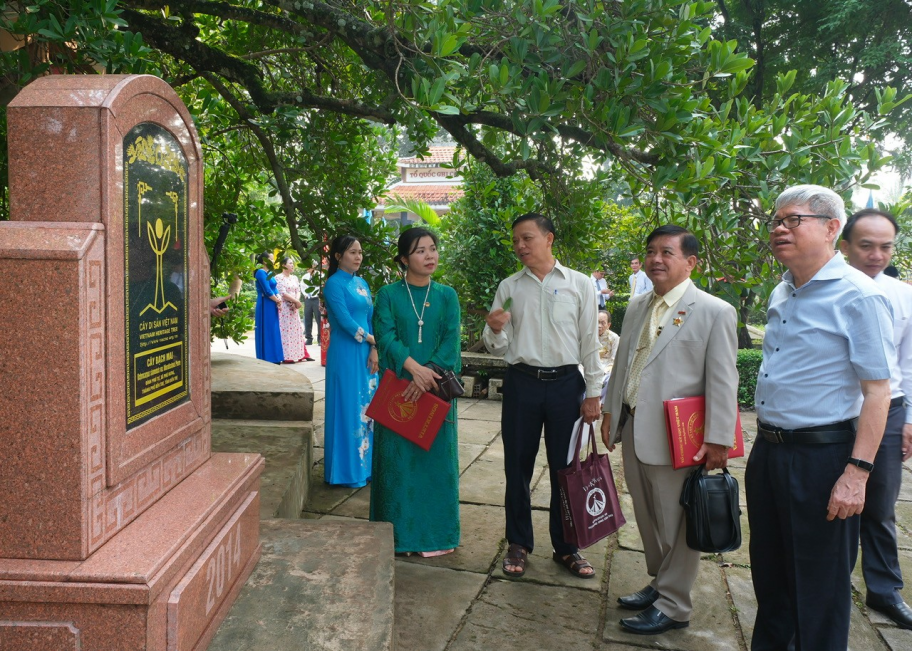
Moments on the sidelines of the event captured by the organizers and the Bến Tre STT Group
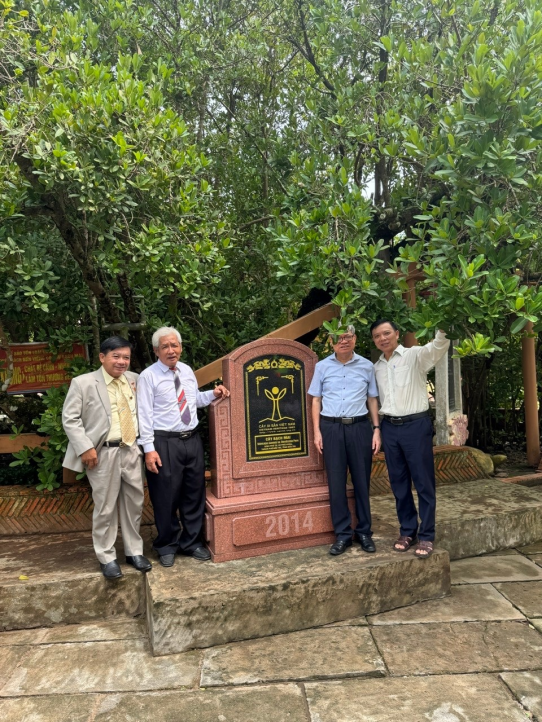
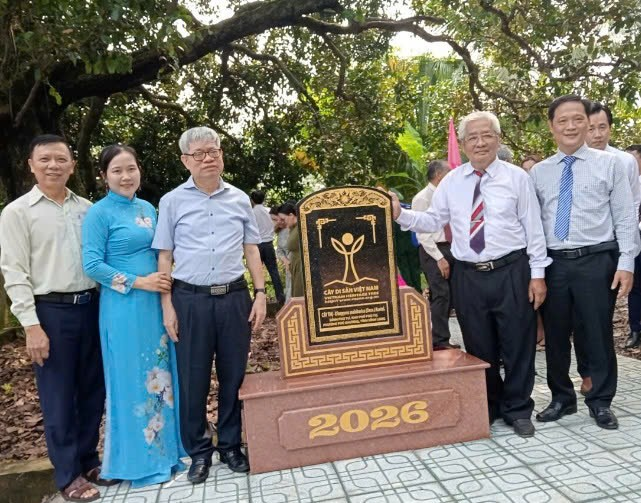
Khôi Nguyên- Bảo Ngọc, Nhóm STT Bến Tre